Last updated November 18, 2026


Free written scope consultation - allowances, timeline, and change-order rules on paper before a single trade is scheduled
DIY vs Professional Construction: The Vallejo Homeowner’s Decision Guide
Most homeowners frame this as a money question: can I save enough by doing it myself to make the hassle worth it? In Vallejo, that’s the wrong variable. The one that actually matters is permit exposure. Work that isn’t permit-eligible, or that never clears inspection, leaves a record on the property rather than on the person who swung the hammer. That record surfaces during a sale, during an appraisal, during an insurance claim, and it changes the conversation in ways the original savings never anticipated. This guide walks through which projects in Vallejo are genuinely DIY-appropriate, which carry risk that reshuffles the math entirely, and how to recognize the line before you cross it.
Quick Answer
Some construction work in Vallejo is genuinely reasonable to do yourself: painting, fence staining, paver sealing, cosmetic trim, and demolition prep on a permitted remodel. Anything structural, anything that touches roofing, electrical, plumbing, or gas, and anything that requires a building permit is a different category. For those, the professional cost is usually smaller than the accumulated risk of unpermitted work, failed inspections, and the disclosure obligation that follows the property title. The right question isn’t “can I do this?” but “can I do this legally, and can I prove it later?”
Styles & brands we work with
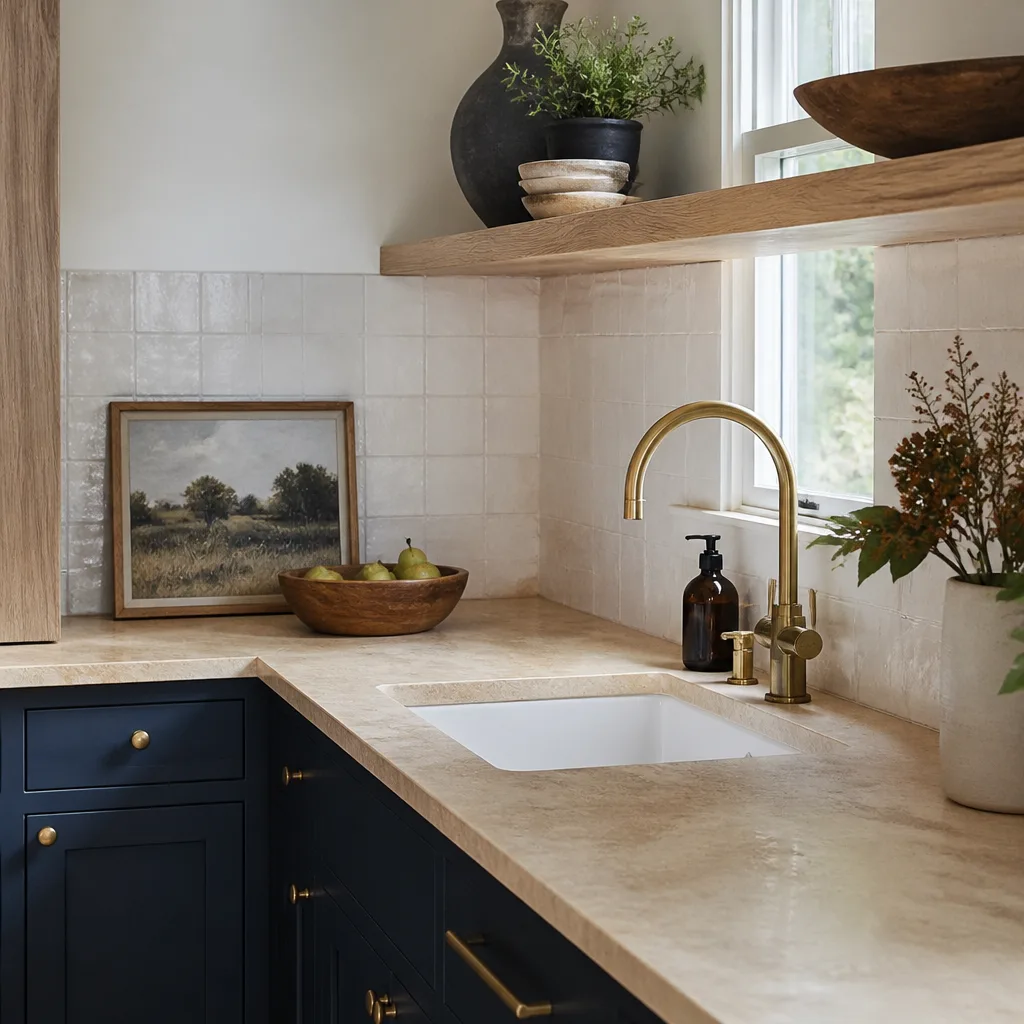
- Kitchen remodeling
- Bathroom remodeling
- Home additions & ADU
- Roofing
- Windows & doors
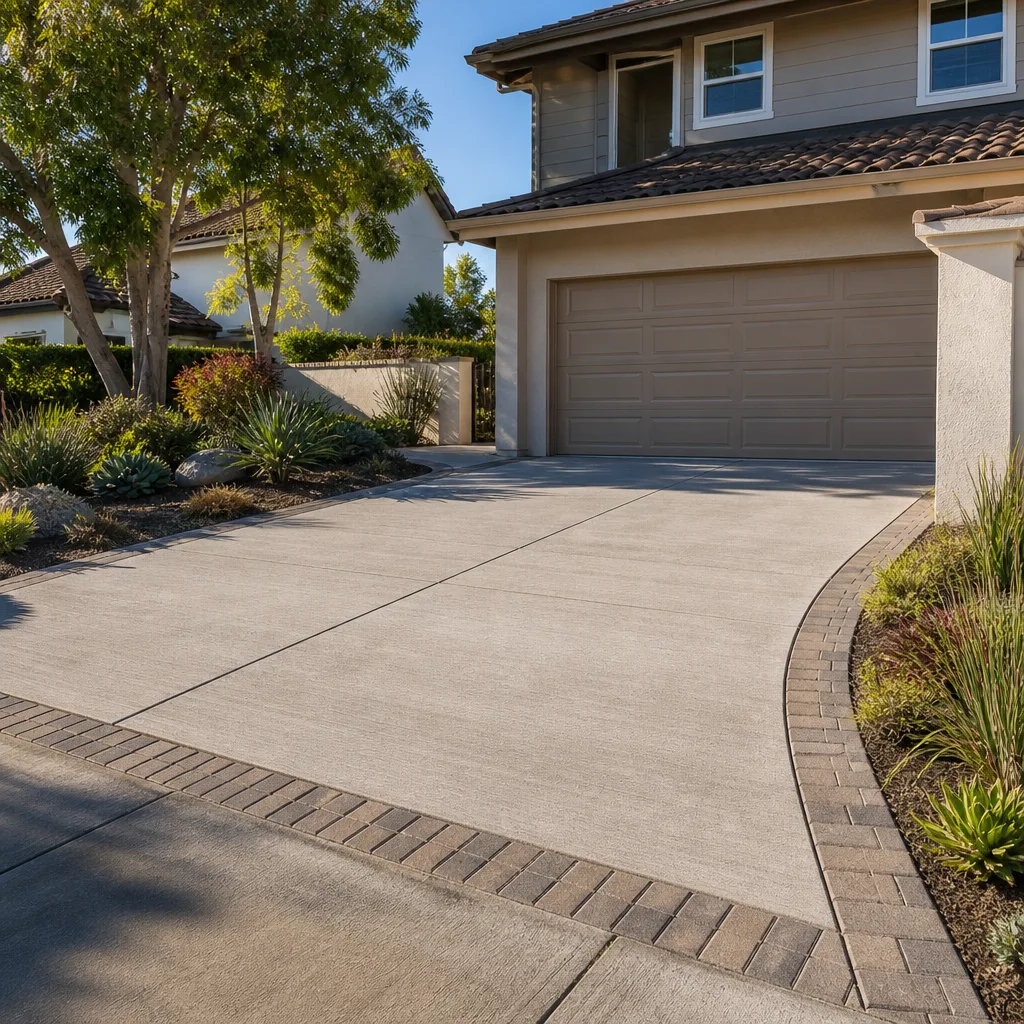
- Driveway & pavers
- Fence
Table of Contents
- The Vallejo Project Risk Matrix
- What California Law Actually Allows Homeowners to Do
- The Real Savings Math, Corrected
- The Permit Trap: How Unpermitted Work Follows the Title
- Climate and Housing Factors Specific to Vallejo
- Where DIY Prep Work Genuinely Cuts Professional Costs
- Why Multi-Trade Projects Break Single-Trade Logic
- What Happens When Work Doesn’t Pass Inspection
The Vallejo Project Risk Matrix
Not all construction work is created equal from a risk standpoint. We sort projects into three tiers based on permit requirements, structural involvement, and the likelihood that a mistake becomes expensive to reverse. Knowing which tier a project falls into is the single most useful step before you decide DIY or hire out.
Tier 1: Genuinely DIY-Appropriate
These are projects where the worst outcome is cosmetic and the work is reversible without tearing out anything structural.
- Interior painting and drywall patching
- Fence staining and sealing on an existing fence
- Pressure-washing driveways and paver surfaces
- Caulking and weatherstripping around windows and doors
- Landscape planting, mulch, and non-structural hardscape refresh
- Replacing a bathroom faucet or a light fixture on an existing circuit
- Cosmetic trim work, shelving, and interior built-ins
Tier 2: Marginal, Depends on the Homeowner
This is where experience starts to matter. A confident homeowner with the right tools can sometimes complete a Tier 2 project legally and well. A first-timer usually can’t, and the remediation cost wipes out the savings.
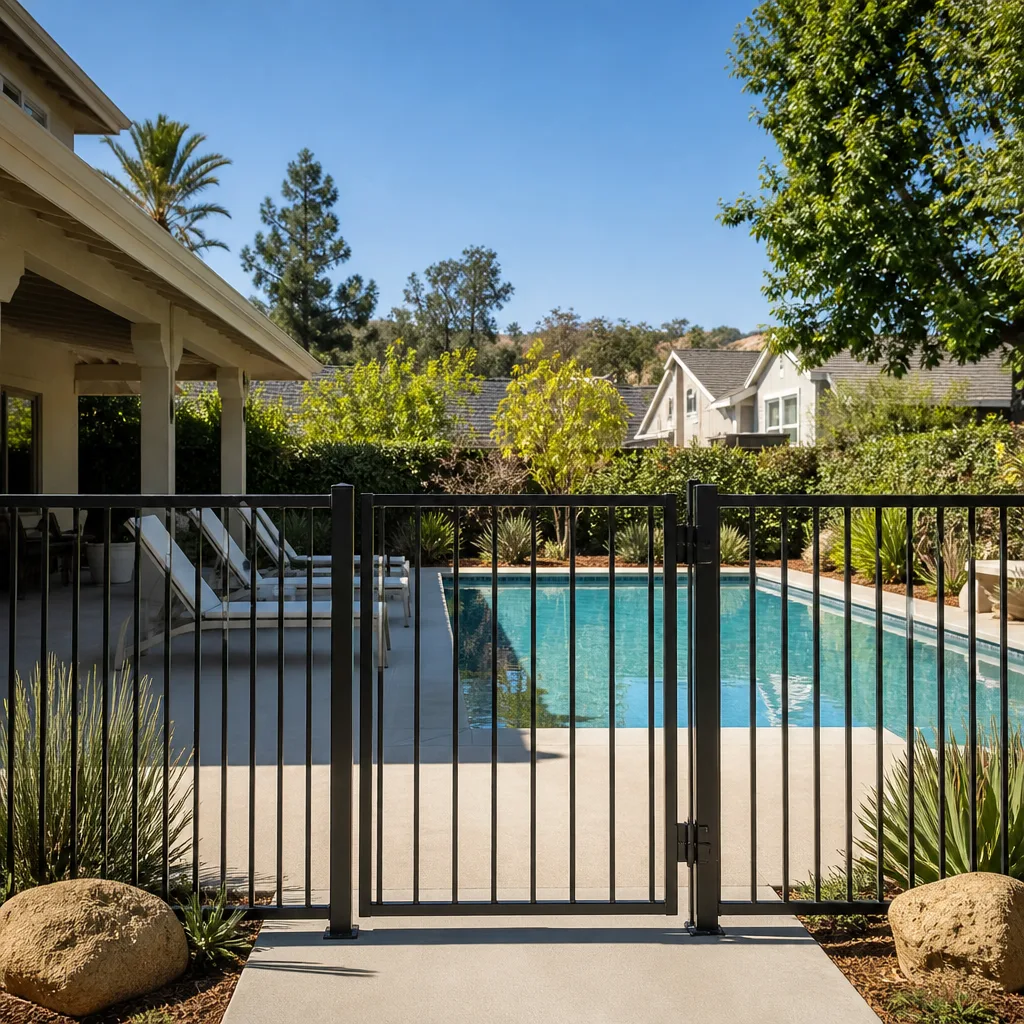
- Installing new vinyl or aluminum fencing (permit rules vary by height and location)
- Laying a small paver patio or walkway
- Installing a pre-hung exterior door
- Replacing a toilet or a dishwasher
- Hanging a new interior door and casing
- Small tile work in a bathroom or kitchen backsplash
Tier 3: Not DIY-Appropriate
These projects involve permits, structural elements, or systems where a mistake creates a safety hazard or a code violation. In Vallejo, the permit requirement alone usually tips these toward professional work.
- Roof replacement or any work on roof structure or flashing
- Any wall removal or modification, even a “non-load-bearing” wall
- Electrical panel work or new circuits
- Any gas line work
- Foundation or drainage modifications
- Window replacement (permit and egress requirements)
- Home additions, ADUs, and any new square footage
- Bathroom and kitchen remodels that move plumbing or electrical
What California Law Actually Allows Homeowners to Do
California allows homeowners to perform construction work on their own primary residence without a contractor license. That permission is narrower than most people assume. The moment the work requires a permit, the permit has to be pulled in the owner’s name, and the work still has to pass inspection against the same code a licensed contractor builds to. The owner-builder exemption does not exempt the work from code; it only exempts the person doing it from needing a contractor license.
Where the Threshold Sits
The threshold where DIY becomes a code violation is not about who did the work. It’s about whether the work required a permit that was never obtained. Any structural alteration, any new electrical circuit, any plumbing change beyond a like-for-like fixture swap, any roof replacement, and any addition of square footage generally requires a permit in Vallejo and most California jurisdictions. A homeowner can do the labor on some of these. That doesn’t remove the permit.
The related rule most homeowners miss: the owner-builder exemption doesn’t travel. If you sell the property within a year of completing owner-built work, disclosure requirements kick in, and buyers’ agents know to look. And if you hire someone who is not licensed to do work you were legally allowed to do yourself, you’ve created a separate problem entirely. The state licensing board takes unlicensed contracting seriously, and the homeowner who hired the unlicensed worker often ends up holding the bag on remediation.
If you’re considering any project where you aren’t sure whether a permit is required, the answer is to call the City of Vallejo building department and ask. That call costs nothing. Skip it and you’re building exposure into the property.
The Real Savings Math, Corrected
The classic DIY savings calculation is professional quote minus material cost. That number is almost always wrong, and it’s wrong for predictable reasons. Here’s what the corrected math includes.
The Factors Most DIY Budgets Miss
- Material waste. A first-time tiler cuts and wastes 20 to 30 percent of tile by the time the job is done. A pro wastes under 10 percent. On a $1,500 tile order that’s a meaningful difference, and it doesn’t show up until the material is already bought.
- Tool rental or purchase. A tile saw, a roofing nailer, a plate compactor, a hammer drill, a laser level. Each rents for a day rate, and each tends to be needed for two or three days, not one. The tooling cost often exceeds the labor value on smaller jobs.
- Permit self-filing complexity. Vallejo permits aren’t difficult to file, but they require drawings, plan review, and inspection scheduling. A homeowner who has never done it will spend multiple working days navigating the process, and any missed inspection means a reinspection fee and a delay.
- Remediation cost if the work fails inspection. This is the one that breaks the model. Tearing out a failed shower pan or a poorly flashed roof costs more than the original professional quote would have.
- Time itself. A weekend project that stretches to six weekends is not free. That’s time not spent on work, family, or anything else.
What the Corrected Math Typically Looks Like
For Tier 1 projects, DIY usually wins on cost and that’s fine. For Tier 2, the gap narrows quickly once waste, tooling, and permit handling are factored in. For Tier 3, DIY rarely wins on cost, and almost never wins on risk. A professional quote includes the cost of doing the work correctly the first time and pulling the permits that make the work legally defensible later. That’s a different product than the DIY version, and comparing them head to head is comparing apples to oranges.
The Permit Trap: How Unpermitted Work Follows the Title
Here’s the part that surprises homeowners at sale time. Unpermitted work does not disappear when the person who did it moves out. It attaches to the property record. Any buyer’s agent doing a title search will see the gap between what the county has on file and what the property actually contains. Any appraiser will note the discrepancy. Any lender will want it resolved before funding.
What Actually Happens at Sale
- Disclosure. California requires sellers to disclose known unpermitted work. You can’t simply not mention it.
- Buyer discovery. Even if you don’t disclose, county records and visual inspection will surface it. A finished garage conversion with no permit on file is not hard to spot.
- Price renegotiation. Buyers use unpermitted work as a lever. Either you credit them the cost of remediation, or you drop the price.
- Lender and insurer issues. A lender may refuse to fund the loan on a property with unresolved unpermitted work. An insurance carrier may deny a claim on damage traced back to it.
- Retroactive permit cost. Getting a permit after the fact can require opening walls, exposing structure, and paying penalty fees. It costs more than pulling the permit upfront would have.
What this reframes is the decision itself. The DIY savings you book today are savings on the labor cost. The risk you carry forward is proportional to the value of the property and the likelihood a buyer will find what’s missing. For a $40,000 kitchen remodel done unpermitted, the sale-price negotiation that follows is often several times the labor savings.
Climate and Housing Factors Specific to Vallejo
Vallejo’s climate is mild and that changes the DIY calculus in a couple of specific ways. Winters stay mild enough that exterior work isn’t constrained by freezing temperatures, which extends the workable season. That works in the DIY homeowner’s favor. But mild, wet winters also mean drainage and roof flashing failures show up every rainy season rather than being masked by long dry spells, and a homeowner-installed roof or flashing detail that’s slightly off will leak in the first wet month.
What This Means for Specific Projects
- Roofing. Valley heat in summer and wet winters in Vallejo stress the membrane and flashing transitions. Roof work here is not forgiving of DIY shortcuts. We specify roofing systems from manufacturers like GAF, CertainTeed, Owens Corning, Atlas, and Tamko partly because the material warranty on those products is the homeowner’s real protection against early failure.
- Driveways and pavers. The soil in some Vallejo neighborhoods holds moisture, and a base layer of aggregate that’s undersized will settle within a season or two. Proper Base preparation is the difference between a paver surface that stays flat and one that pancakes in the second winter.
- Windows. Vallejo’s older housing stock often has non-standard window openings. Replacement windows have to be sized, flashed, and permitted correctly, and the exterior trim detail has to actually shed water rather than trap it.
- Fencing. A fence that isn’t anchored into the correct footing depth will lean after the first wet winter. This is one of the projects where a homeowner can save money, but only if the footings are done right, and footing depth is usually the first thing a homeowner skips.
Where DIY Prep Work Genuinely Cuts Professional Costs
Here’s the part most DIY-vs-pro guides miss: there’s a legitimate middle ground. On a professionally-built project, homeowners can reduce cost meaningfully by doing the prep themselves, as long as that’s coordinated with the contractor before work starts. This is one of our preferred ways to work with homeowners who want to be involved in the project.
Prep Work That Genuinely Reduces Cost
- Clearing the work area and removing old landscaping, carpet, or vinyl
- Removing old cabinetry in a kitchen remodel after we’ve disconnected the plumbing
- Demolition of non-structural elements like drywall and old tile, once the material is identified as safe to remove
- Hauling debris to the dump
- Painting in a kitchen or bathroom remodel if the homeowner wants to handle the finish coat
- Managing the permit correspondence and inspection scheduling if the homeowner prefers, though most prefer we handle it
- Site access and utility shutoff logistics
Prep Work That Should Stay With the Contractor
Demolition that touches electrical, plumbing, or gas lines is not a homeowner task. Neither is anything that opens the building envelope, and neither is disposal of materials that require licensed handling. Frame the boundary in writing before work starts. A contractor who respects the boundary will build the schedule around the homeowner’s prep windows, and a homeowner who respects it will keep the project on schedule. On remodels we’ve handled, that coordination is often the difference between a four-week project and a seven-week one.
Why Multi-Trade Projects Break Single-Trade Logic
Individual single-trade projects have linear risk. A fence installation either holds or leans. A painting job either looks good or needs another coat. The math is contained to that one trade. The moment a project touches multiple trades, the risk stops being linear.
The Compounding Case
Take a home addition or ADU. It touches framing, roofing, electrical, plumbing, HVAC, drywall, flooring, and finish carpentry. A mistake in the framing may not show up until the roof leaks. An electrical rough-in that’s wired incorrectly may not fail until the first inspection. A plumbing line that’s slightly off grade may drain fine for two years and then back up. When one trade’s mistake is buried under another trade’s finished work, remediation cost multiplies, and the homeowner’s ability to trace responsibility gets murky.
This is why single-trade DIY logic doesn’t survive contact with a multi-trade project. The homeowner who’s confident about framing usually isn’t equally confident about the electrical, the plumbing, and the inspection sequence that ties them together. For projects at that scale, our home additions & ADU work runs the trades in the right order, with inspections sequenced so nothing gets buried before it’s signed off. That sequencing is what makes the project’s cost predictable and its title record clean.
The Roofing and Drainage Overlap
Roofing is another project where trades overlap. A roof replacement touches the roof surface, the flashing, the gutters, and the drainage path away from the foundation. A homeowner who replaces shingles without addressing the drainage path gets a new roof over a problem that will still show up in the next wet winter. We specify Atlas, Tamko, and other roofing systems as complete assemblies, with the flashing and drainage coordinated rather than treated as separate line items.
What Happens When Work Doesn’t Pass Inspection
A failed inspection is not the end of the world, but it’s rarely cheap. The remediation sequence depends entirely on what failed and how deeply buried the failure is.
The Typical Remediation Sequence
- The inspection report. The inspector identifies the specific code section that failed and the work must be brought to that standard.
- Exposure. If the failure is behind finished walls, tile, or roofing, the remediation begins with opening the work back up. That’s the cost driver most homeowners don’t anticipate.
- Correction and reinspection. The corrected work is reinspected. Any reinspection fee is on top of the original permit fee.
- Additional permit or penalty fees. If the work was done without a permit in the first place, a retroactive permit and any associated penalty fees are additional.
- Non-permitted work disclosure. If the work ultimately isn’t corrected, the property carries unpermitted work into the next sale.
The lesson is not that inspections are punitive. They exist to catch exactly the mistakes a first-time DIYer makes, and they operate at every stage of a project. A homeowner who pulls the permit, schedules inspections, and corrects anything flagged will end up with a clean record. The trap is doing work that never gets inspected at all, because the failure then has nothing to catch it and the cost surfaces at sale.
Common Mistakes to Avoid
- Confusing “I can legally do this myself” with “I don’t need a permit.” The owner-builder exemption applies to the labor, not to the permit or the code. Determine permit requirements before buying materials.
- Hiring an unlicensed contractor to do work you could have done yourself. If you hire someone without a license for a project that required one, the homeowner ends up responsible for the outcome. Check the license on the state board site before work starts.
- Replacing a window without checking egress and permit rules. Window replacement in Vallejo bedrooms has egress and permit requirements that a simple like-for-like swap doesn’t always satisfy.
- Skipping the footing on a DIY fence. A fence post in undersized footing will lean within a season. The most visible DIY fence problem in Vallejo isn’t the panel, it’s the footing.
- Roofing over failed flashing. New shingles over old flashing is a waste of the material investment, and it’s the number-one way a DIY roof fails in the first wet season.
- Doing kitchen or bath demo without confirming what’s behind the wall. Opening a wall on a remodel often reveals old plumbing or wiring that changes the scope. Coordinate demolition with your contractor so surprises become a planned scope adjustment rather than an emergency.
- Assuming today’s DIY work won’t be evaluated at sale. Unpermitted work is exactly what buyer’s agents and appraisers look for, and it changes the negotiation. Carry the assumption that anything you build will be reviewed against county records at some point.
See the difference
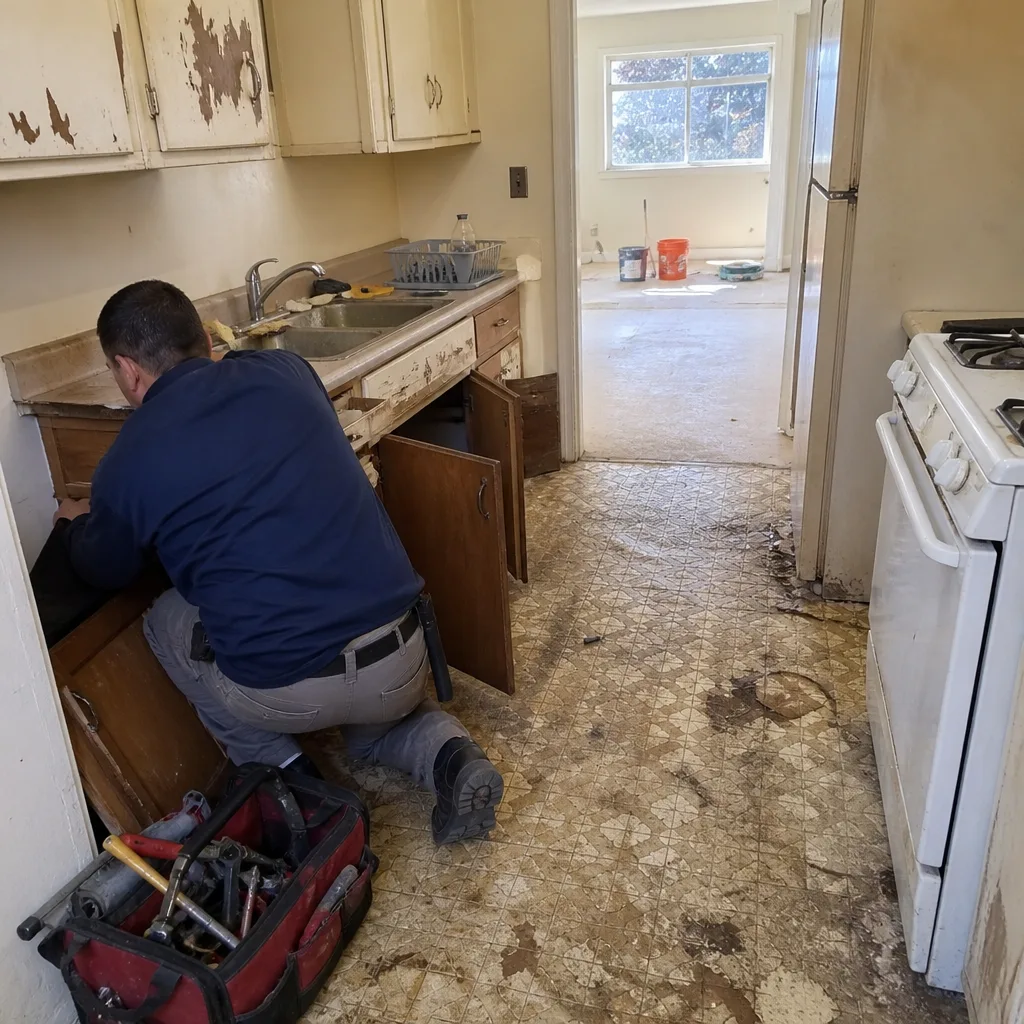 Before
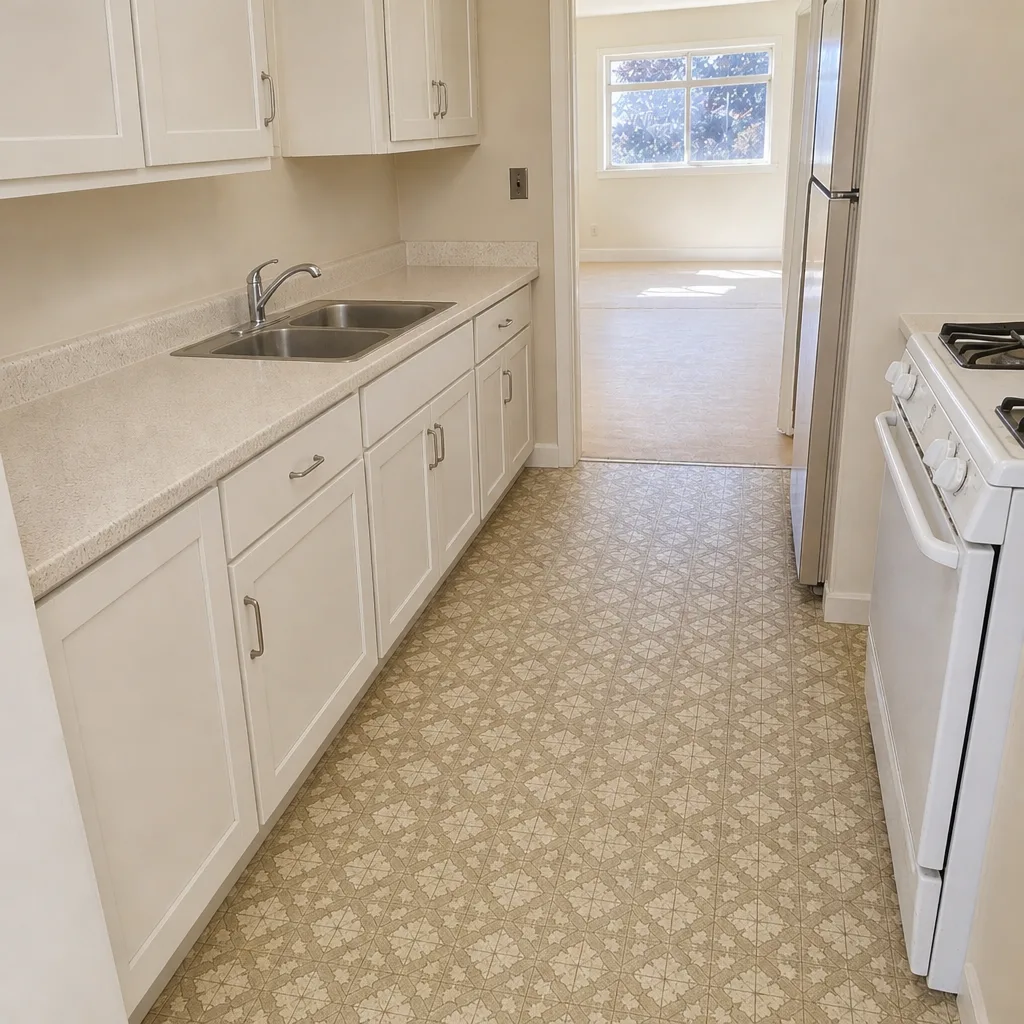 After
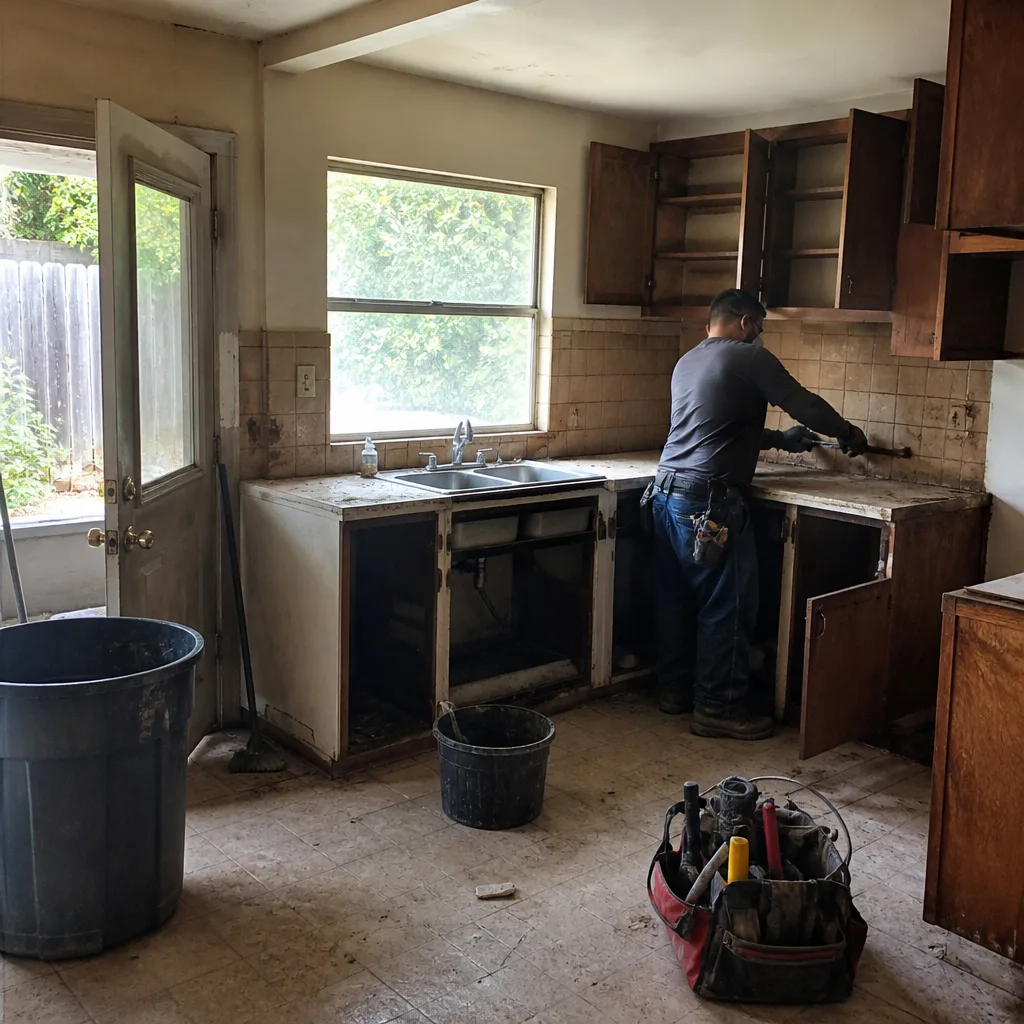 Before
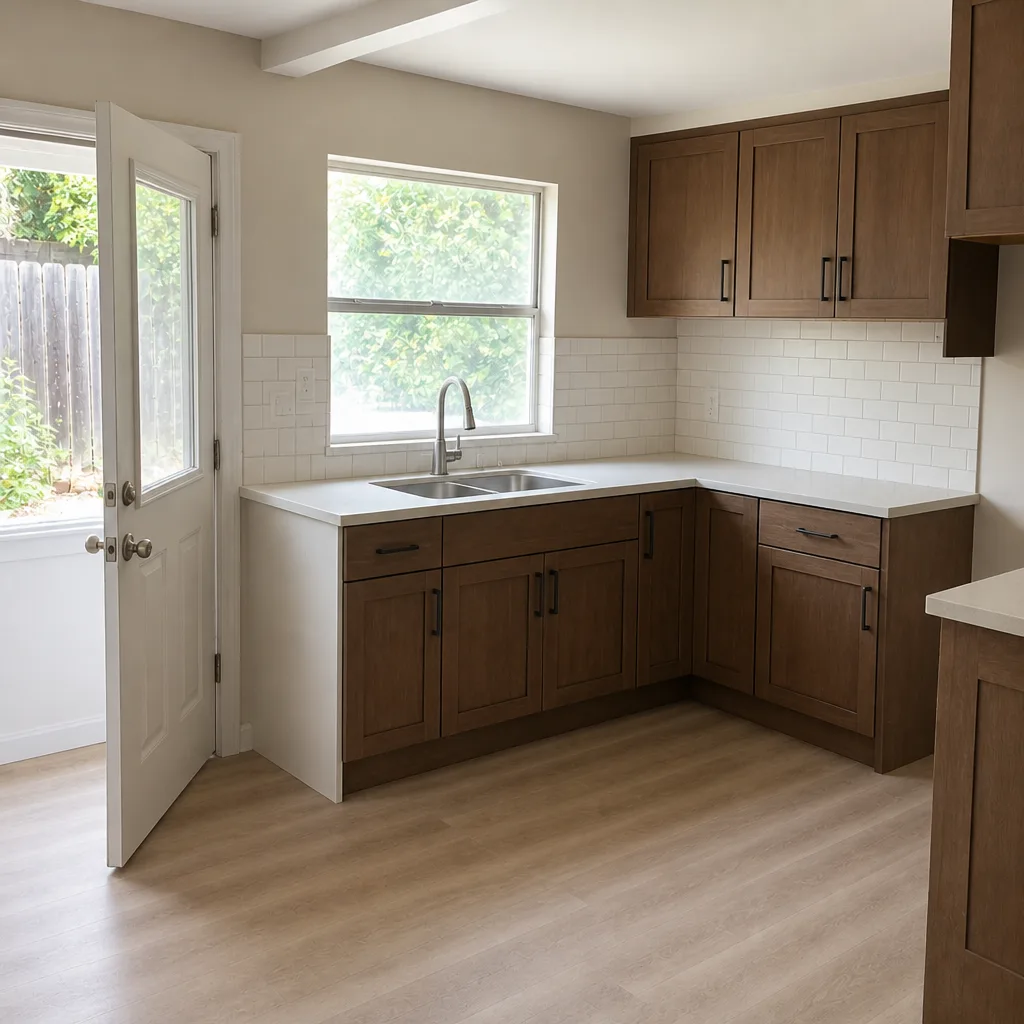 After
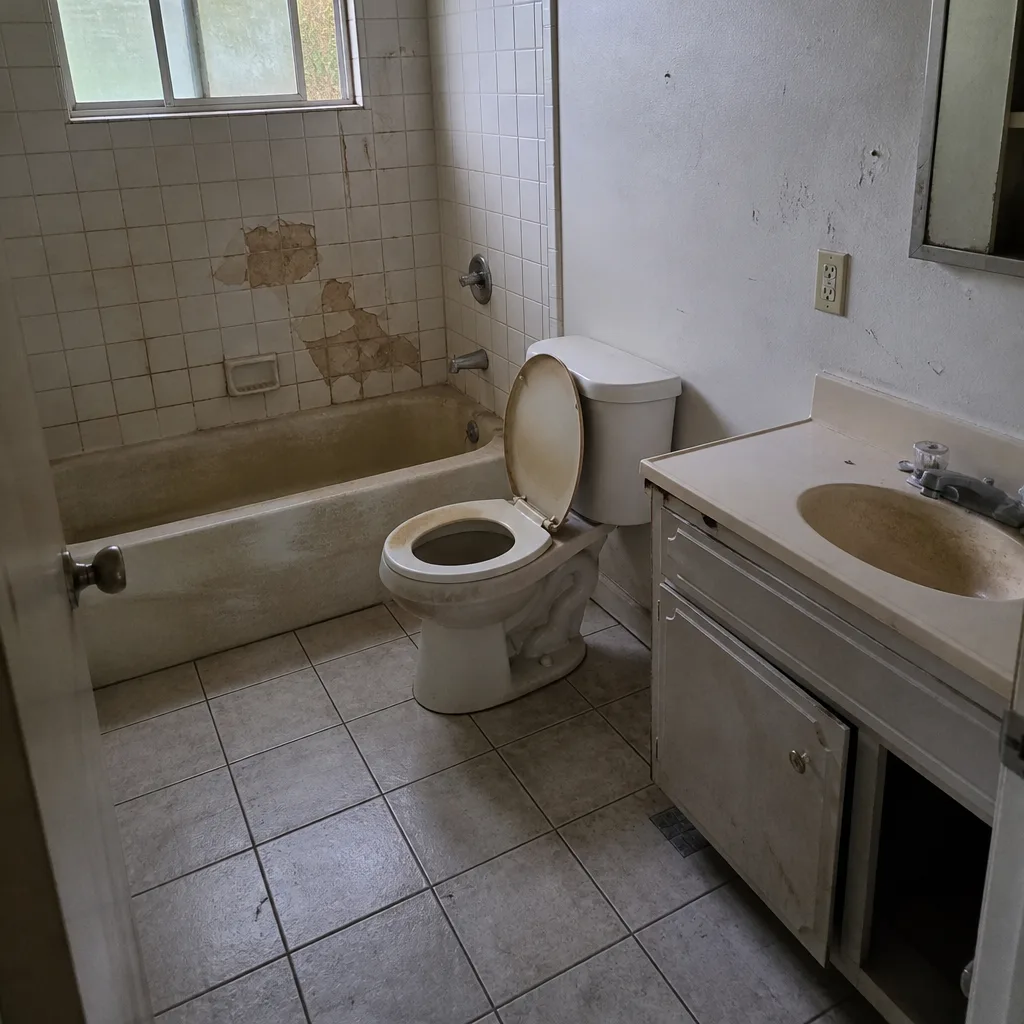 Before
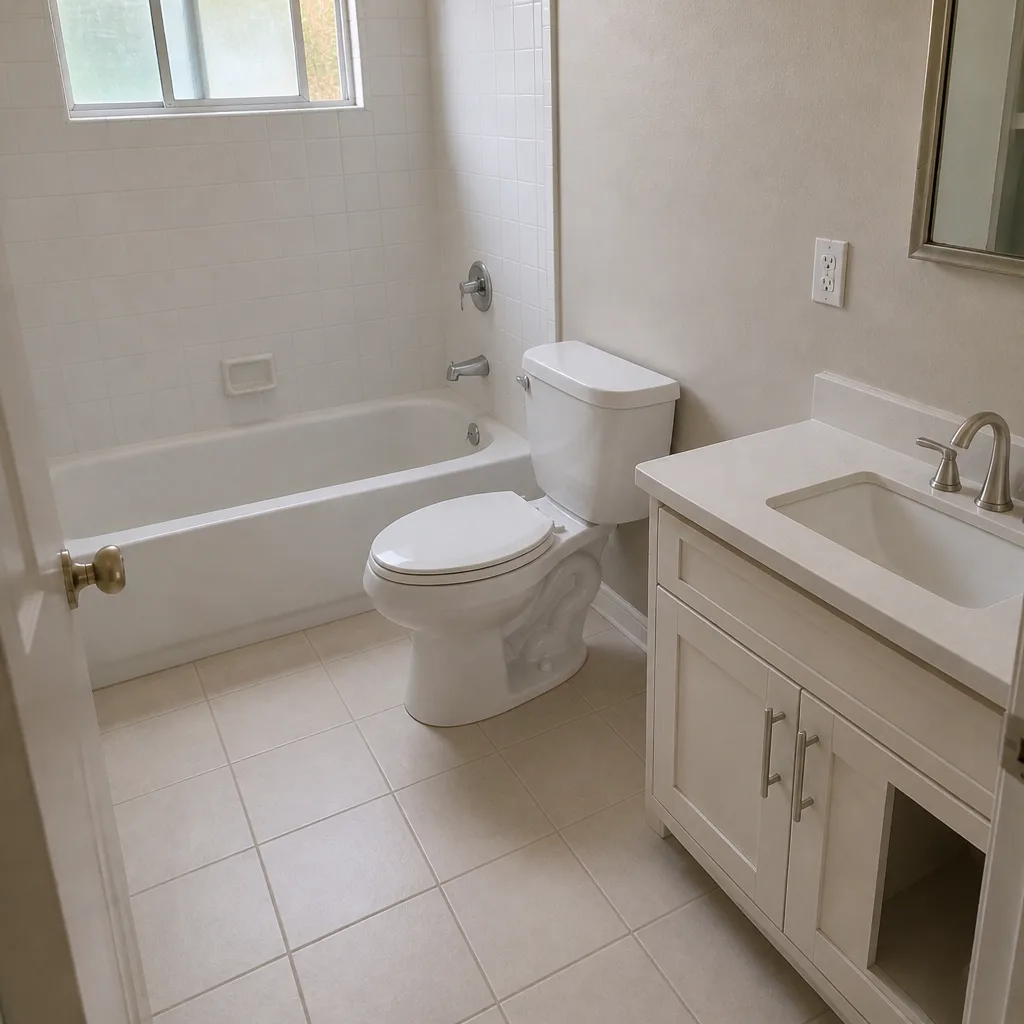 After
When to Call a Professional
Call a professional when the project requires a permit, when it touches structural systems, when it involves electrical or plumbing beyond a like-for-like fixture swap, or when the scope involves more than one trade. Call when the work is on a component whose failure creates a safety risk: roofing, electrical panels, gas lines, or anything that affects the building envelope. Call when the project is part of a larger remodel whose stages have to sequence in a specific order, and call when the outcome will be reviewed at a future sale or appraisal. Those are the scenarios where the professional cost is smaller than the accumulated risk. Construction Vallejo offers free estimates in Vallejo and a written line-item quote that sets the price before work begins. Call (844) 684-1772.
Frequently Asked Questions
Yes, on your own primary residence, as long as the work is done by you and not by a hired worker. The owner-builder exemption lets you perform construction on your home without a contractor license, but it does not exempt the work from permits or from building code. If the project requires a permit, pull it in your name and expect inspection on the same standard a licensed contractor would meet. Call (844) 684-1772 for a free estimate if you’d rather have the work done and permitted by a professional.
You must disclose known unpermitted work, and buyers’ agents will find it in county records regardless. The cost typically shows up as a price negotiation or as a retroactive permit and remediation expense deducted at closing. In some cases a lender will require the work be resolved before funding. The savings from doing the work unpermitted get absorbed by the sale-price reduction.
Painting, fence staining, pressure-washing, caulking, and landscape work are genuinely worth doing yourself. Small cosmetic projects that don’t require a permit and are reversible if you get them wrong also fall into that category. Kitchen and bathroom remodels, roofing, window replacement, additions, and ADUs generally aren’t, because permit, structural, and inspection exposure outweighs the labor savings.
On a kitchen or bath remodel, DIY demolition and debris hauling can often save the labor cost of those specific tasks, which is a meaningful share of the total. The savings depend on the scope and how well the homeowner coordinates with the contractor ahead of time. Painting the finish coat yourself is another common saving. Call (844) 684-1772 and we’ll build a written line-item quote that separates labor you want to keep from labor you want us to handle.
Yes, we pull permits and handle the inspection sequence as part of the project. The written quote includes the permit and inspection line items so there are no change orders once work starts. If you plan to pull the permit yourself as owner-builder, tell us before the estimate so the scope is set correctly from the beginning.
The risk is compounding: a mistake in one trade gets buried under finished work from another, and the remediation cost multiplies when it surfaces. Electrical rough-in that isn’t inspected before drywall, plumbing that isn’t slope-tested before tile, and framing that isn’t signed off before roofing are the three most common sources of expensive surprises on an ADU. Sequencing the trades and inspections correctly is what keeps the project on budget. Call (844) 684-1772 for a free estimate on your addition or ADU project.
The Bottom Line
Vallejo homeowners should decide DIY or professional by risk category, not by arithmetic alone. Painting, staining, sealing, and light cosmetic work are genuinely reasonable to do yourself. Anything that touches permits, structure, roofing, electrical, or plumbing belongs with a licensed professional whose work will pass inspection and leave a clean title record. The savings that look real in the DIY math are frequently absorbed by material waste, tooling, permit handling, or sale-time negotiation. On multi-trade projects, the risk isn’t additive; it’s multiplicative. Frame the decision around who carries the liability if the work fails, and the answer usually sorts itself out.
If you’re weighing a project and want a straight read on whether it’s DIY-appropriate or pro territory, we’re happy to talk it through. One contractor, every project: from driveway & pavers to fence installation to a full ADU, plus Construction Vallejo full-property coordination. Call (844) 684-1772 for a free estimate. We answer 24/7. Fast dispatch from 7am to 7pm, Sunday through Friday.
Written by the team at Construction Vallejo.