
Last updated November 18, 2026




Free written scope consultation - allowances, timeline, and change-order rules on paper before a single trade is scheduled
How to Hire a Construction Contractor in Vallejo: A Step-by-Step Guide
In Vallejo, it’s entirely legal for a licensed general contractor to subcontract every single trade on your project to people you’ve never vetted. The GC’s license on the permit doesn’t mean the person doing the work has ever worked for them before, or that they’ll be there if something goes wrong. Most hiring guides hand you a checklist of credentials to verify and skip the harder question: whether the contractor’s actual trade depth matches your project’s scope. This guide walks through how to read a bid’s structure, ask about material sourcing, build a payment schedule that protects you, and normalize competing proposals so you’re comparing the same job. We’ll show you what Vallejo’s contractor market rewards and where the usual advice falls short.
Quick Answer
To hire a construction contractor in Vallejo, verify the license and insurance through the CSLB, then focus on the bid itself: identify which trades the contractor performs directly versus subcontracts, confirm material brands and grade specifications in writing, and structure payments to milestones rather than a large deposit. Get at least three bids but normalize them to the same scope before comparing price. The contractor who can explain how your project will actually be built, not just what it costs, is usually the one worth hiring.
Styles & brands we work with
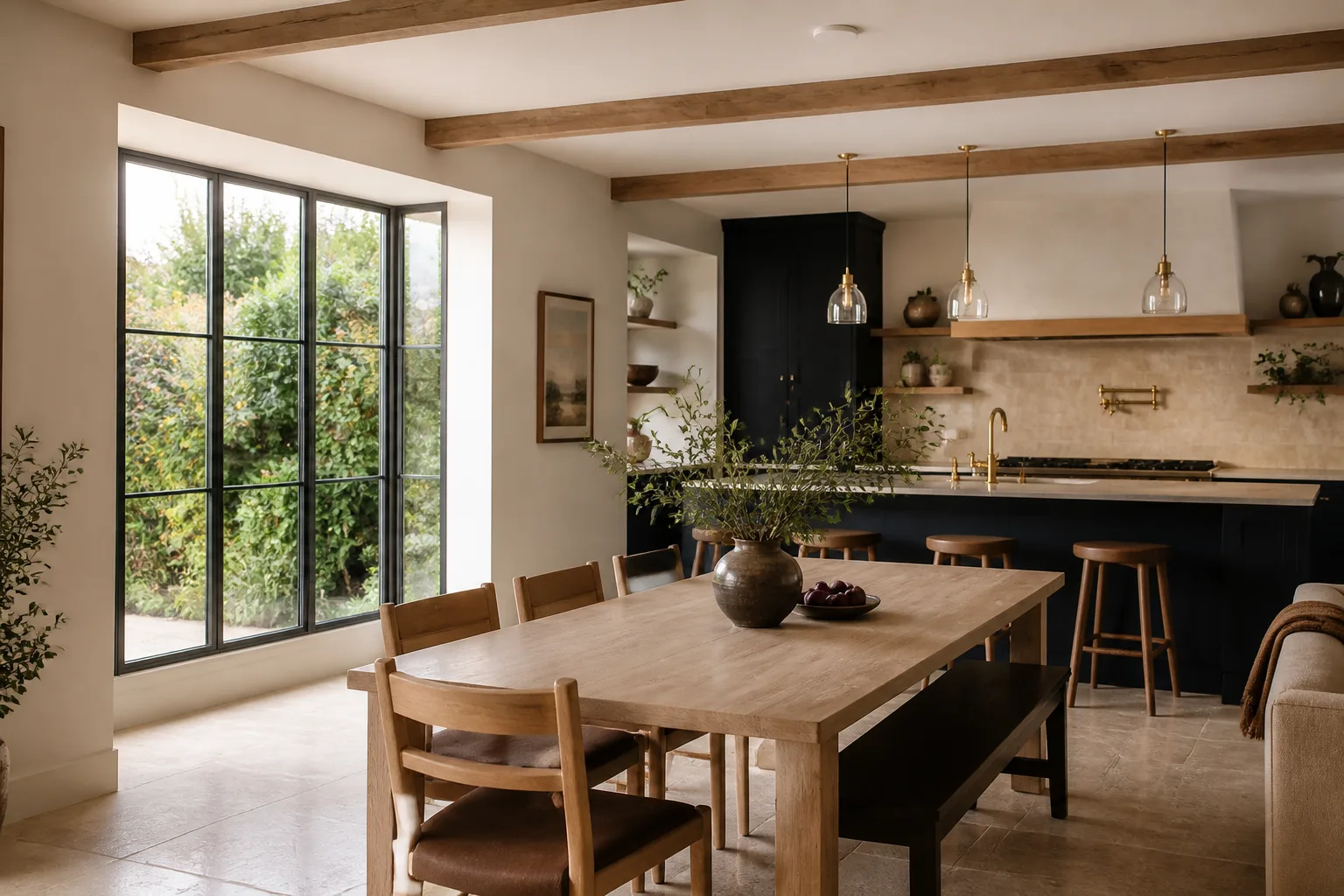
- Kitchen remodeling
- Bathroom remodeling
- Home additions & ADU
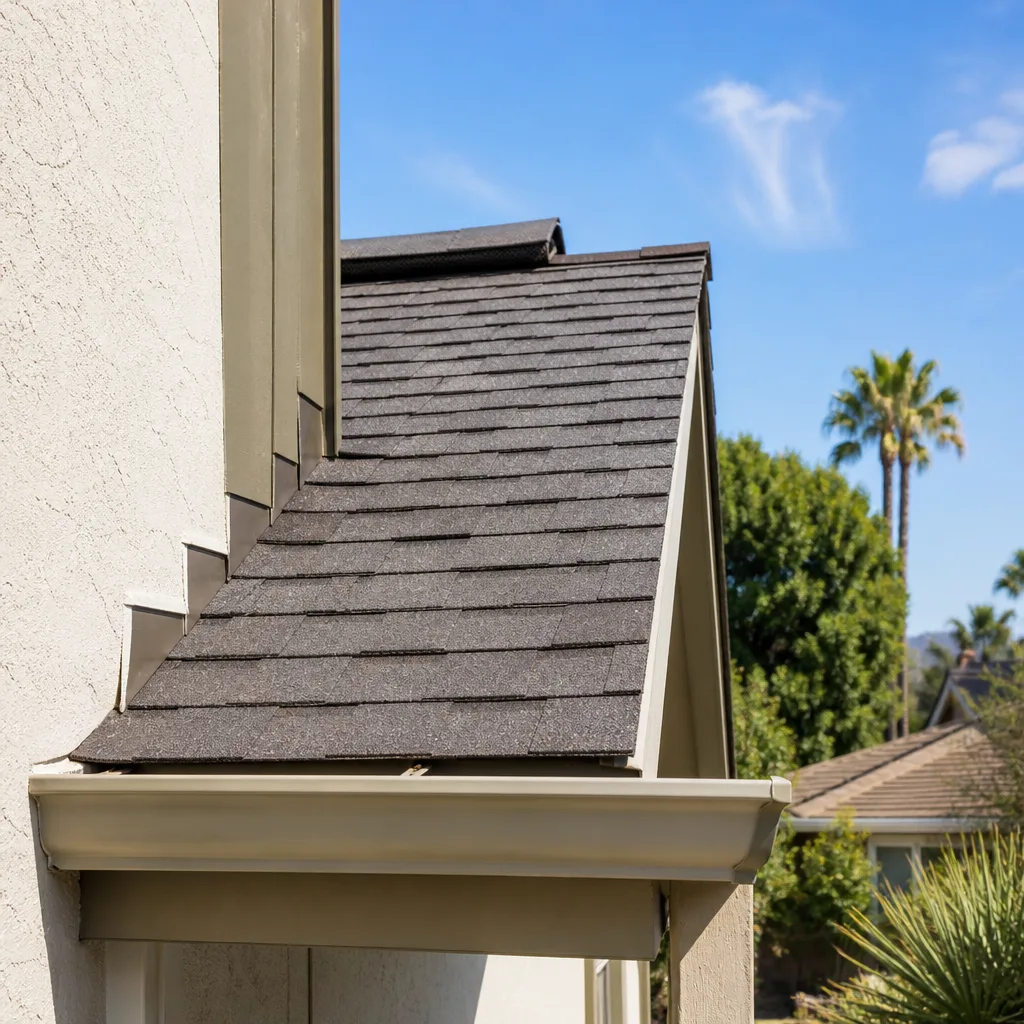
- Roofing
- Windows & doors
- Driveway & pavers
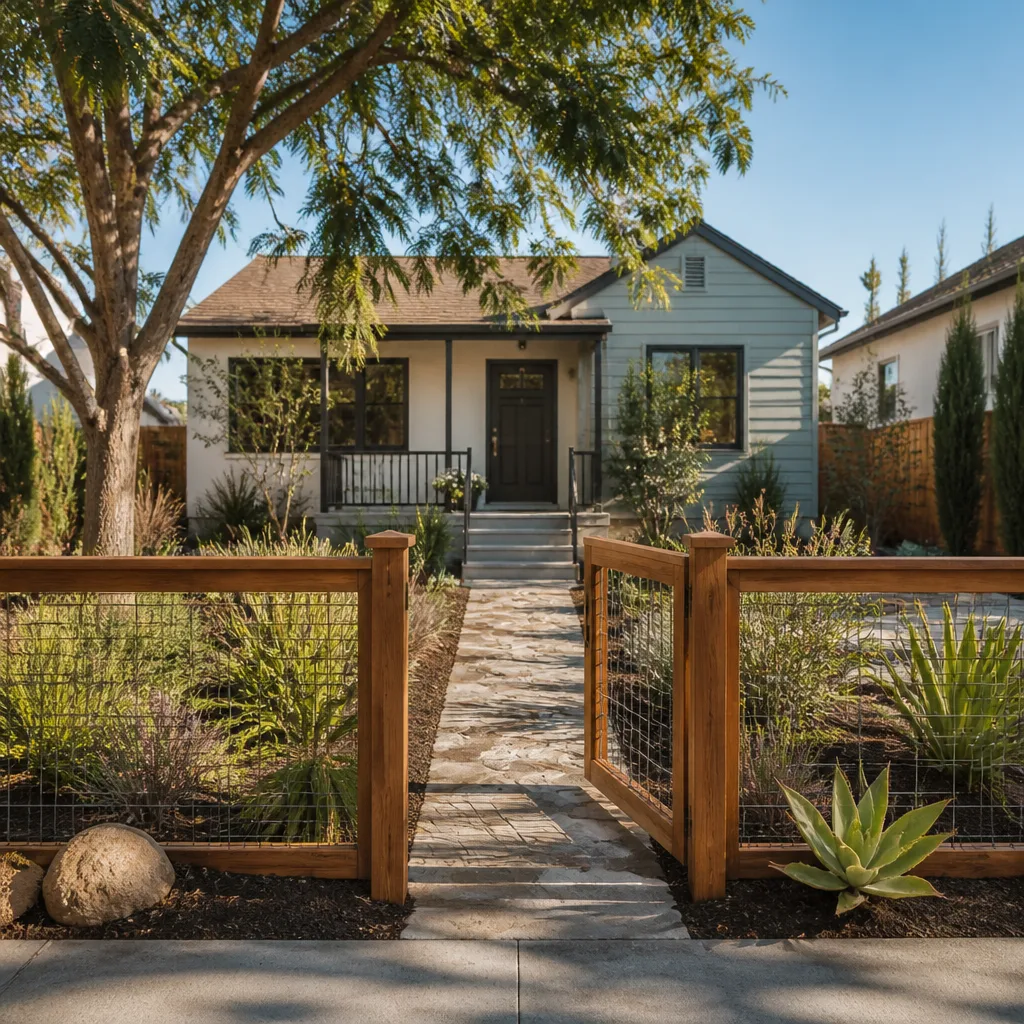
- Fence
Table of Contents
- Step 1: Verify the License and Insurance Before Anything Else
- Step 2: Read the Bid Structure to See Who Does the Work
- Step 3: Ask About Material Sourcing, Brands, and Grade
- Step 4: Build a Payment Schedule That Protects Both Sides
- What the CSLB Complaint History Lookup Actually Shows
- Step 5: Normalize Three Bids So You’re Comparing the Same Scope
- What’s Different About Hiring in Vallejo
- Common Mistakes to Avoid
- When to Call a Professional
- Frequently Asked Questions
Step 1: Verify the License and Insurance Before Anything Else
Before you talk scope or price, confirm the basics. California requires anyone contracting for work over a threshold amount to hold a license from the Contractors State License Board, and any project that requires a permit generally requires a licensed contractor to pull it. The CSLB maintains a free lookup where you can check a license’s status, classification, and any disciplinary actions or complaints on record. A license that shows “active” and matches the trade classification for your project is the floor, not the ceiling.
Insurance is the next layer. Ask for a certificate of general liability insurance and, if the contractor has employees, proof of workers’ compensation coverage. If a worker gets hurt on your property and the contractor isn’t covered, the cost can land on your homeowner’s policy. Don’t accept a verbal “we’re insured”; ask for the certificate and confirm the policy is current.
Here’s what to check in order:
- License status and classification. Confirm the license is active and the class (general building, specialty, etc.) matches the work you’re hiring for.
- Disciplinary history. The CSLB record shows citations, suspensions, and formal complaints. Read them; a single resolved item is different from a pattern.
- Liability insurance certificate. Confirm the coverage is current and the entity name matches the license.
- Workers’ compensation. If the contractor has employees, this should be in place. A sole proprietor may be exempt; ask why if it’s missing.
- Business identity. Confirm the name on the license, the insurance certificate, and the contract match. If they don’t, ask why.
That covers the paperwork. The harder work starts with the bid structure.
Step 2: Read the Bid Structure to See Who Does the Work
A bid tells you more about how a contractor operates than a license number ever will. Read the line items and ask a direct question: for each trade on this project, is the work done by people the contractor employs and supervises, or by a subcontractor brought in for this job? A licensed general contractor in Vallejo is free to subcontract every trade on your project. That can be fine; many good projects run that way. But you should know which is which, because accountability and quality control follow the structure.
Ask for the subcontractor relationships directly. If the contractor names established subs they’ve worked with repeatedly, you’re getting a stable crew. If the answer is “we’ll find someone when we get there,” you’re carrying the risk of whoever shows up. For a project like a kitchen that touches cabinetry, countertops, plumbing, electrical, and tile, the coordination is where remodels go wrong. A contractor who can explain how those trades are sequenced and who’s doing each one is telling you how they actually run a job.
Signs a bid is structured well:
- Line items are broken out by trade and material, not one lump sum.
- Each trade has a named party responsible, whether an employee or a subcontractor.
- The scope describes sequencing: what happens first, what waits for inspection, what depends on what.
- Allowances are labeled and explained, not buried. A tile allowance of $X per square foot tells you the entry point; anything above it is your choice.
- Exclusions are listed explicitly. “Does not include framing repair if damage is found” is honest; hiding it is not.
This is where a full-property approach matters. When one contractor handles a kitchen, a bathroom, home additions & ADU work, and exterior items like a fence installation as a coordinated scope, the person responsible for the framing is the same one responsible for the finish. When the work is scattered across multiple contractors, the handoffs are where quality drops.
Step 3: Ask About Material Sourcing, Brands, and Grade
Material sourcing separates a contractor who understands spec from one who buys whatever’s on the shelf. Ask three questions of every bid: which brand, which grade, and where the contractor buys it. A generic line for “roofing” tells you nothing. A line for “GAF Timberline HDZ” tells you exactly what’s going on your roof, at what grade, from a manufacturer with published specifications. Same logic for cabinets, countertops, pavers, windows, and fixtures. The brand on the spec sheet is the difference between a finished product that’s replaceable in ten years and one that isn’t.
Established supplier relationships also affect timing and price. A contractor who specifies from brand lines like James Hardie siding, GAF or CertainTeed roofing, Cambria or Silestone countertops, or KraftMaid cabinetry is working through supplier channels with predictable lead times. A contractor buying retail piecemeal is subject to whatever’s available that week, and changes to the spec mid-project are expensive and slow. This matters more on bigger scopes like an ADU, where prefab and modular pathways (Boxabl and Plant Prefab are examples of brands in that space) can shorten timelines considerably if the contractor actually works with them.
Brand-specific questions worth asking:
- Roofing: Is the membrane or shingle from a named manufacturer with a published spec, and does the bid include the underlayment and flashing by brand?
- Cabinetry and countertops: Is the cabinet line named (KraftMaid, Wellborn) and is the countertop slab specified by brand and edge? Is there an allowance, and what grade does it cover?
- Fixtures: Are the sink, faucet, and shower fixtures specified by brand (Kohler, Grohe, Toto) or left open?
- Pavers and fencing: Is the paver from a specified manufacturer line (Belgard, Techo-Bloc, Cambridge) and the fence material from a named source (Ameristar, Barrette)?
- Windows and doors: Which brand and what performance grade, and does the bid reflect the specific opening sizes?
A bid that names its materials is a bid you can hold someone to. A bid that says “quality materials” is not.
Step 4: Build a Payment Schedule That Protects Both Sides
The right payment schedule protects the homeowner without squeezing the contractor’s cash flow so tightly that materials slip. In California, state law limits the deposit a contractor can collect up front on most home improvement contracts, so a bid asking for a massive lump sum upfront is a warning sign rather than a norm. The workable structure is milestone-based: a modest deposit to secure the schedule, then payments tied to completed stages, with a final payment held until the work is finished and inspected.
A common schedule that works for both sides:
- Deposit at signing. Kept modest and legally within state limits, enough to order material and hold the schedule.
- Rough-in milestone. Paid when framing, plumbing, and electrical are roughed and inspected, before finishes go in.
- Finish milestone. Paid when drywall, cabinetry, tile, and fixtures are installed.
- Substantial completion. Paid when the work is done and you’ve walked the job with the contractor.
- Final payment. Smallest payment held until punch-list items are cleared and final inspection passes.
Every milestone should be tied to a visible stage of the work. If a payment is due before the work it covers is finished, that’s cash-flow on the contractor’s terms, not yours. If a contractor refuses any structure other than a large deposit and weekly draws, that’s information about how they run their business. A contractor confident in their process will welcome a milestone schedule; it doesn’t slow down a legitimate job, it just matches the money to the progress.
Ask one direct question before you sign: “If the work stops for any reason, what happens to the money already paid?” A contractor who can answer that clearly has thought about their agreements.
What the CSLB Complaint History Lookup Actually Shows
The CSLB license lookup is a useful record and it is not the full picture. It will show a contractor’s license status, classification, expiration date, bond history, and any formal disciplinary actions or citations the board has issued. That’s valuable for confirming a contractor is licensed and hasn’t had serious enforcement actions. What it does not show is how the contractor handles the routine friction of a project: how they communicate, whether their subs show up, how they respond when something is discovered mid-project, or how quickly they resolve disputes that never rise to a formal complaint.
The lookup is also silent on project quality. A contractor with a clean CSLB record can still deliver a mediocre kitchen or a roof with poorly integrated flashing. And a complaint on the record doesn’t tell you the context: how it was resolved, whether it was the contractor’s fault, or how the contractor handled the customer during the process. Homeowners often assume that a clean record means “verified good,” and it doesn’t. It means “not formally disciplined.”
What to look for instead:
- Recent formal citations or disciplinary actions that are unresolved and match the trade you’re hiring for.
- A pattern of complaints rather than a single dispute (one is coincidence; five is data).
- Bond history and whether it’s current. A lapsed bond is a red flag.
- A license classification that matches the scope of work. A painting specialty license doesn’t cover structural additions.
- The contractor’s own references: recent comparable projects, with photos and addresses you can see. Ask them about the process, not just the result.
The lesson is: use the CSLB lookup as one input, then go look at recent work, ask about the process on comparable projects, and put every promise in the contract in writing. That’s the due diligence the lookup can’t do for you.
Step 5: Normalize Three Bids So You’re Comparing the Same Scope
Three bids from three contractors on the same project are almost never comparable as delivered. One includes the cabinets and one doesn’t. One assumes the tile allowance includes installation and one doesn’t. One is a rough estimate on the back of an envelope; another is a detailed line-item proposal. Comparing those bottom-line numbers tells you as much about each contractor’s paperwork habits as it does about price. The fix is to normalize: put every bid on the same scope sheet before comparing a single figure.
The normalization steps:
- Write your scope yourself. List every material brand, every fixture, every trade, and what each bid must include. Give the same scope sheet to every bidder.
- Require line-item bids. Ask for a bid that breaks out labor, materials, allowances, and exclusions by trade. A single lump sum isn’t a bid you can compare.
- Build a comparison table. Lay every bid side-by-side, one column per contractor, one row per scope item. Compare item by item, not bottom line to bottom line.
- Highlight variance and ask why. If one bid is 30% lower, ask what it excludes. If one is 30% higher, ask what the extra covers.
- Check the allowances. Compare allowance amounts directly; a low bottom-line number with a low tile allowance isn’t cheaper, it just shifts cost later.
- Normalize for the schedule. Add the same number of weeks for similar scopes and see whether the bids are actually on the same timeline.
After normalization most three-bid sets converge to real differences of 10-20% on scope-matched numbers. The remaining variance usually comes down to two factors: which trades the contractor performs in-house and what level of finish they default to. That’s what you’re actually comparing.
What’s Different About Hiring in Vallejo
Vallejo has a housing stock, climate, and code environment that changes some of the general advice. Most of the city’s older neighborhoods have homes built mid-century or earlier, which means almost any interior project is going to encounter conditions the drawings didn’t anticipate: irregular framing, non-standard rough-in dimensions, and previous work of varying quality. A contractor worth hiring will say, in writing, that the bid reflects conditions visible at the time of the estimate and that hidden conditions will be handled as a change order. A contractor who won’t acknowledge that risk up front is either bluffing or inexperienced, and both are trouble once walls are open.
The climate matters too. Winters here are mild, which means projects can run through the wet months without the freeze damage that stalls work in colder regions, but rain is real and seasonally concentrated. Roofing and exterior projects need a schedule that accounts for it, and any contractor bidding a roof in Vallejo should be able to tell you how they handle weather delays. The solution is usually not a flexible schedule; it’s a well-built bid that assumes the rain and works around it. Cities in Solano County also have their own permit submittal requirements, and what passes in one project type may require additional review in another, so a contractor who knows the local building department is a real advantage on a project like an ADU or an addition.
Vallejo’s housing diversity matters for scope matching. A 1920s downtown bungalow, a 1950s ranch in the north end, and a 1990s build near Glen Cove each behave differently when a remodel opens them up. A contractor who’s spent years working in Vallejo has seen the difference and will plan for it in the bid. On a project like a driveway & pavers install, the soil and drainage assumptions vary by neighborhood enough that a generic bid from an out-of-area contractor is often short of what’s actually needed.
One more piece of context: the market is competitive in specialty trades and thin in contractors who can handle full-scope work. The best bids in Vallejo often come from contractors who can sequence multiple projects for the same homeowner, because the coordination cost drops. A single relationship covering a kitchen and a home additions & ADU project is often better value than two separate contractor relationships, even when the individual line items on paper look higher.
Common Mistakes to Avoid
- Hiring on price alone. The lowest bid is usually low because it excludes something or assumes a lower grade. Normalize the scope before comparing numbers, or you’ll hire the wrong contractor and pay for it at change-order time.
- Treating the CSLB record as a full vetting. A clean license record means no formal discipline, not “quality contractor.” You still need to see recent work and ask how they run a project.
- Assuming a licensed GC means every worker is vetted. In California, subcontracting every trade is legal. Ask who is doing each trade, whether they’re employees or subs, and how long the contractor has worked with them.
- Paying a large deposit. State law limits deposits on home improvement contracts for a reason. A milestone-based schedule protects both sides; a big upfront check protects only the contractor.
- Skipping the material brand in the contract. “Tile” and “roofing” aren’t specs. If the brand and grade aren’t in writing, they can change after contract signing and you have no recourse.
- Comparing three bids without alignment. Three different scopes produce three incomparable prices. Normalize to a shared scope sheet first.
- Not asking about permits. Most significant projects in Vallejo require permits, and the contractor should be pulling them under their own license. If the contractor asks you to pull the permit as the homeowner, that’s a signal they’re not set up for the project.
When to Call a Professional
Some projects you can handle yourself, and some you shouldn’t try. If you’re opening walls, changing plumbing or electrical in a way that requires inspection, replacing a roof, adding an ADU or a home addition, or coordinating three or more trades on a single project, hiring a licensed contractor is the right call. The risks of going it alone are permit issues, inspection failures, and warranty problems down the road that follow the homeowner, not the person who did the work. If a project touches the home’s structure, envelope, or major systems, that’s beyond the DIY scope.
If you’re planning a kitchen, bathroom, addition, roof, or full-property project in Vallejo and want to see what a scoped bid looks like, Construction Vallejo offers free estimates in Vallejo. Call (844) 684-1772. We answer 24/7, and fast dispatch from 7am to 7pm, Sunday through Friday. Our technicians have up to 15 years of experience, and every estimate is written line-item and fixed-priced with no change orders.
Frequently Asked Questions
Use the Contractors State License Board (CSLB) lookup at cslb.ca.gov, which shows license status, classification, bond history, and formal disciplinary actions. Confirm the license is active and matches the trade for your project, then ask for a certificate of insurance and workers’ compensation coverage. The CSLB record is one input, not a full vetting; you still need to see recent work and ask how the contractor runs a project. Call (844) 684-1772 for a free estimate from a fully licensed and insured contractor.
Most significant remodels, additions, ADUs, and structural changes in Vallejo require a permit through the city’s building department; cosmetic work like painting or refacing usually does not. Any project requiring a permit needs a licensed contractor to pull it, and the contractor should include the permit in their bid rather than ask you to pull it as the homeowner. Confirm permit responsibility in writing before signing. Call (844) 684-1772 for a free estimate that includes permit scope.
Three bids is a reasonable number, but only if you normalize them. Give each bidder the same written scope sheet with material brands, fixtures, and inclusions spelled out, and require line-item bids you can compare. Three lump-sum bids on three different scopes tell you nothing; three normalized bids tell you which contractor is actually offering the best scope-matched value. Call (844) 684-1772 for a free written estimate you can compare against other bids.
California law limits the deposit a contractor can collect up front on most home improvement contracts, so any bid asking for a large lump sum is a warning sign. The workable structure is a modest deposit to secure the schedule, then milestone payments tied to completed stages, with the final payment held until punch-list items are cleared and inspection passes. Call (844) 684-1772 for a free estimate with a milestone payment schedule.
Yes, in California a licensed general contractor can subcontract individual trades, and many do. The license on the permit belongs to the GC, not necessarily to the person swinging the hammer. The question to ask is which trades are performed by the contractor’s own people and which are subbed, and whether the subs are long-term relationships or picked up for your project. Call (844) 684-1772 for a free estimate where the scope and trade assignments are explained in writing.
A well-written bid should hold its price unless hidden conditions are discovered after walls are opened, and any change should require a signed change order with the new scope and price before the work proceeds. That structure protects both sides. Fixed-price bids with no change-order pricing are the standard to ask for. Call (844) 684-1772 for a free written estimate with fixed pricing and no change orders.
The Bottom Line

Hiring a contractor in Vallejo comes down to five things: verifying the license and insurance, reading the bid structure to see who actually does the work, confirming material brands and grades in writing, structuring payments to milestones, and normalizing bids before comparing prices. The CSLB record is one input, not a full vetting. Recent work, clear subcontractor relationships, and a bid that names its brands will tell you more about the outcome than any single credential. Three normalized bids converge to real differences you can decide between; three unnormalized bids are noise.
If you’re planning a project in Vallejo and want a scoped, line-item proposal to compare against other bids, call (844) 684-1772 for a free estimate. We answer 24/7, and fast dispatch from 7am to 7pm, Sunday through Friday.
Written by the team at Construction Vallejo.
See the difference
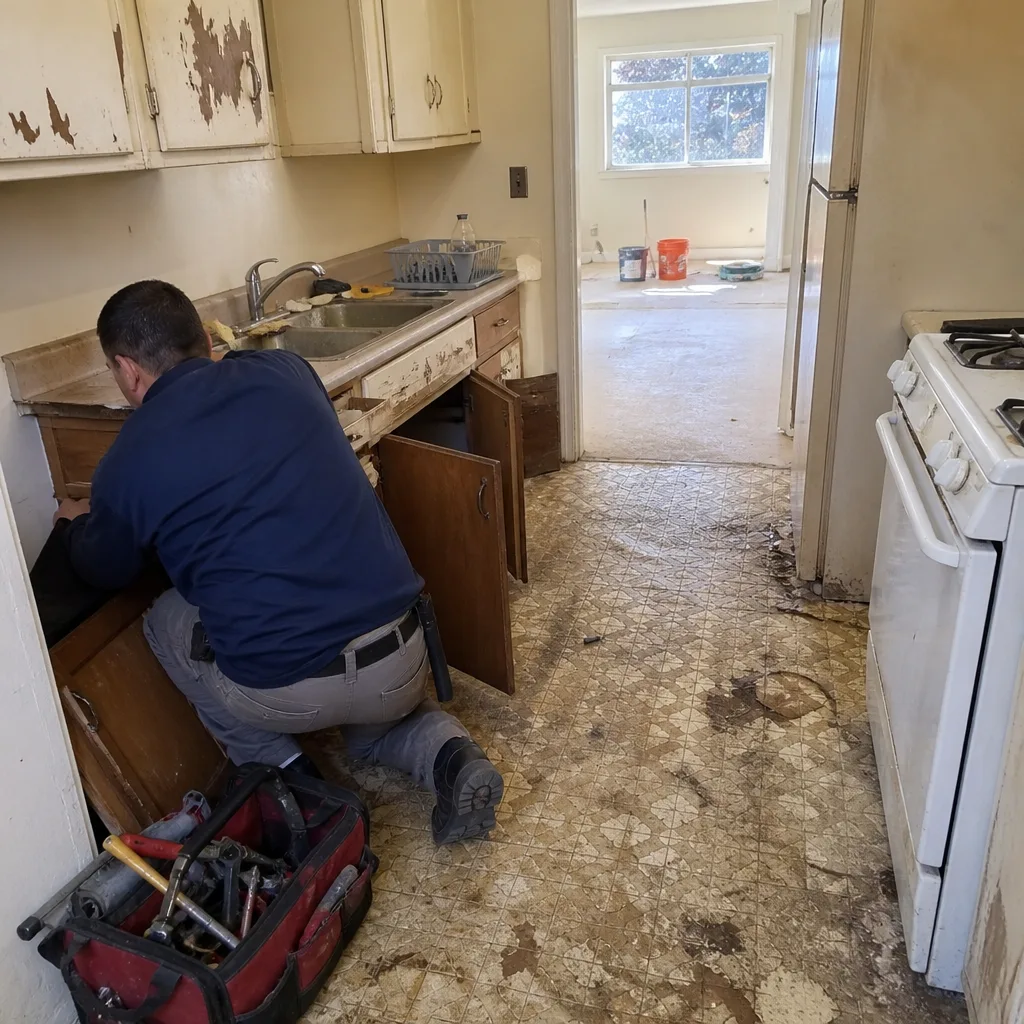 Before
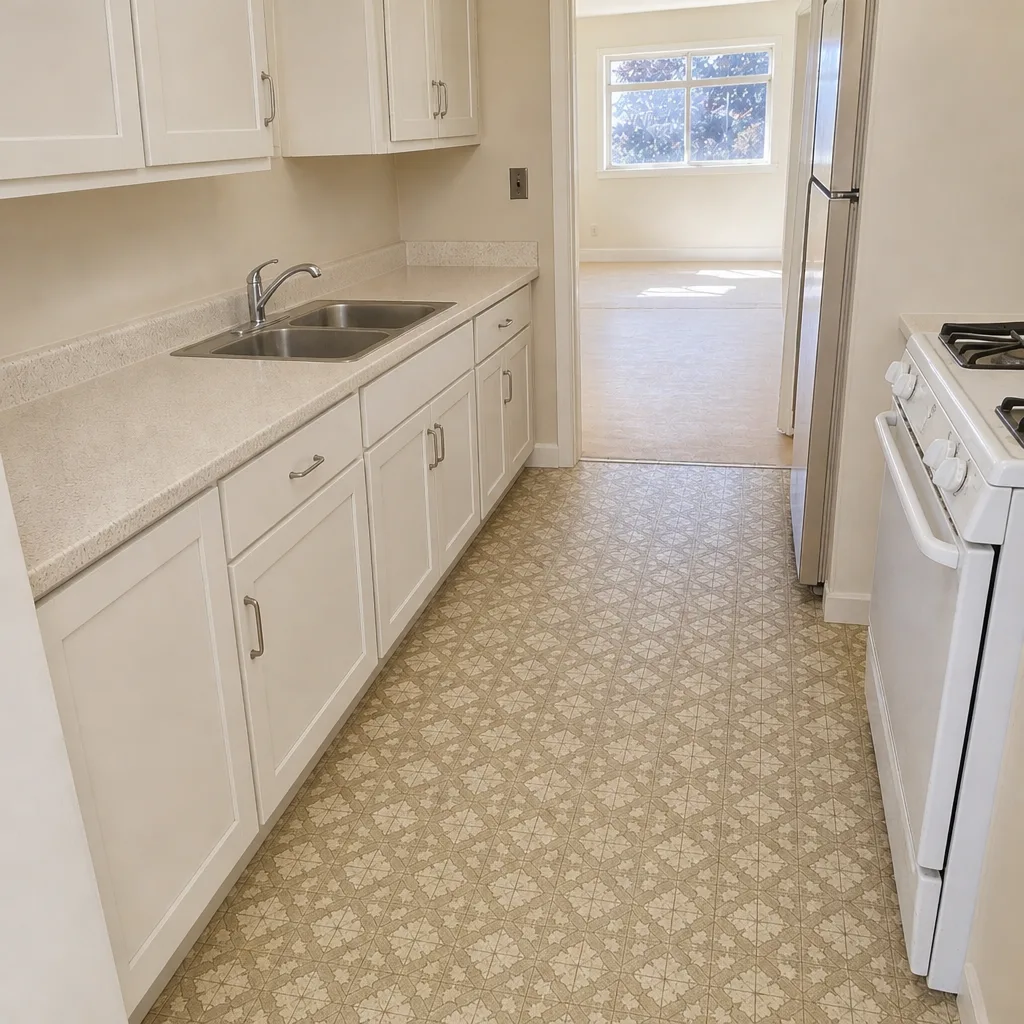 After
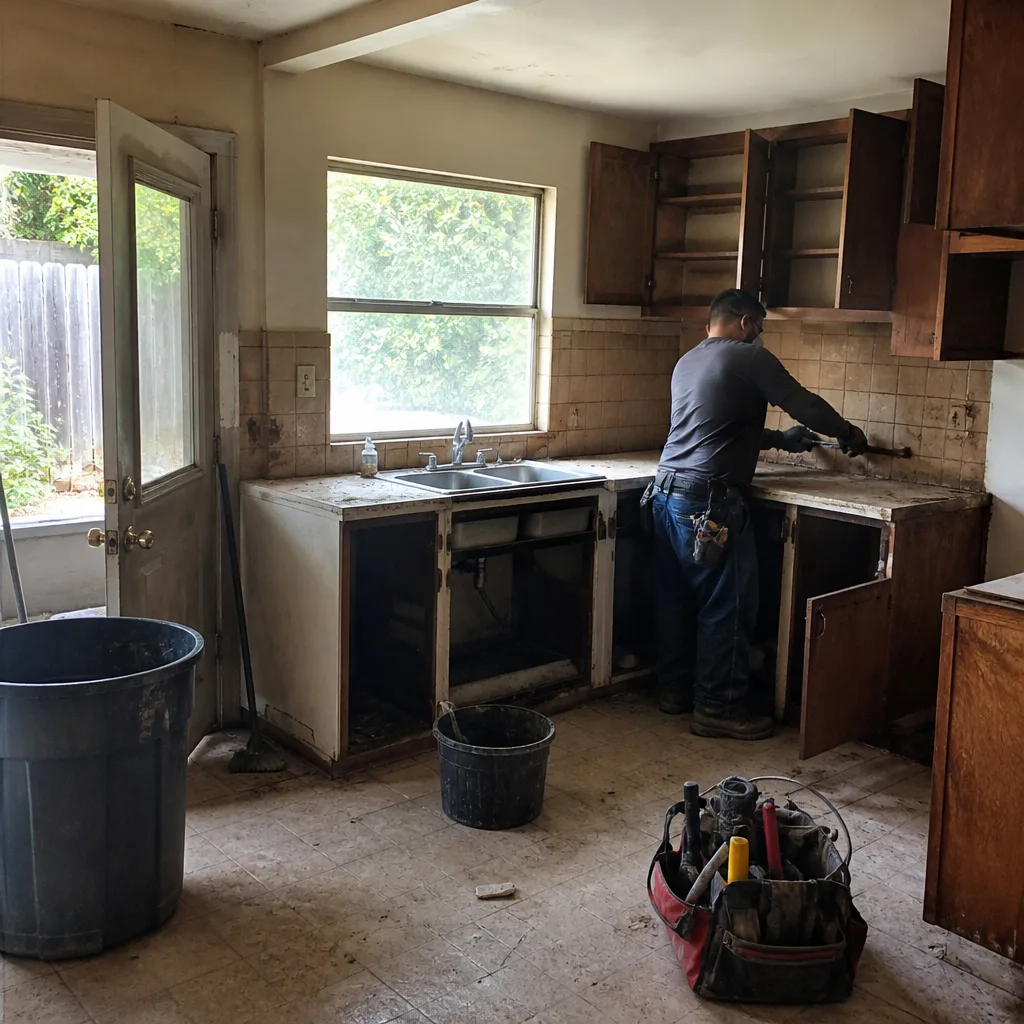 Before
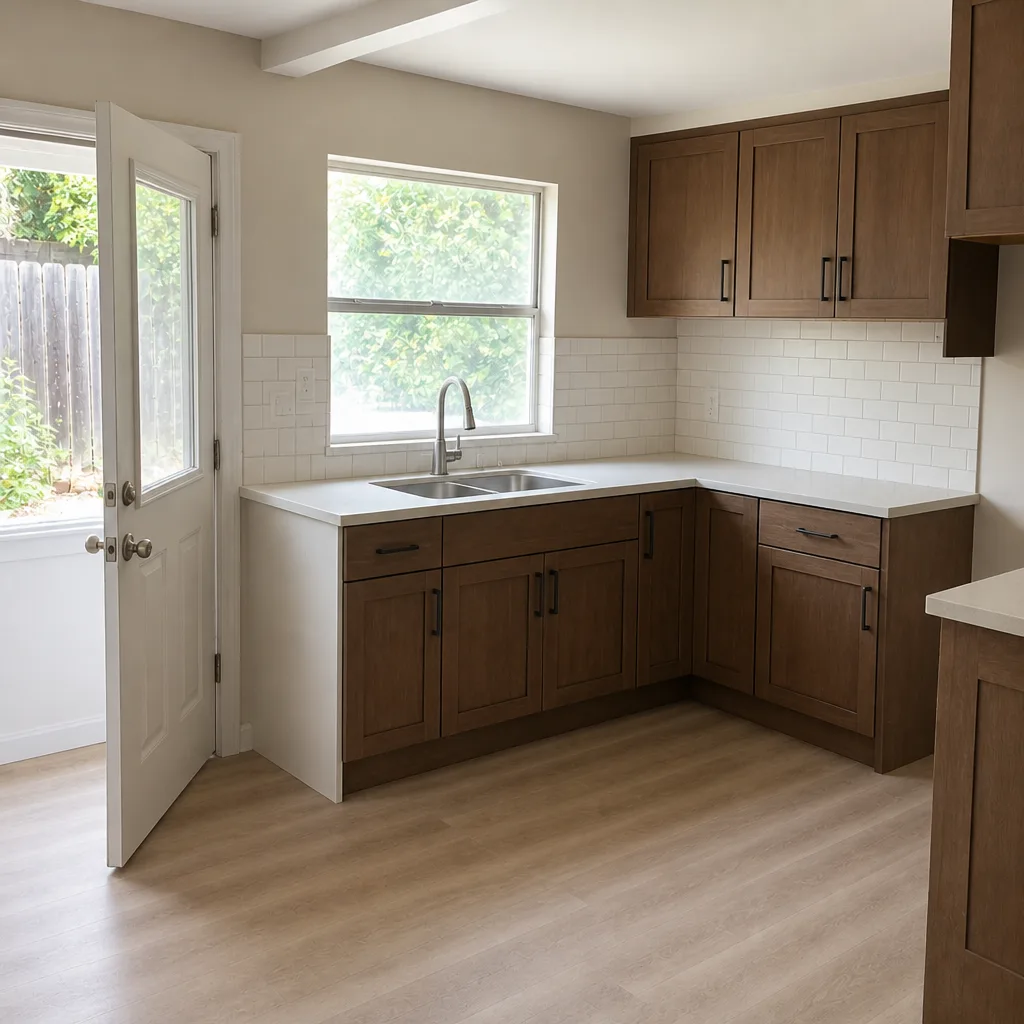 After
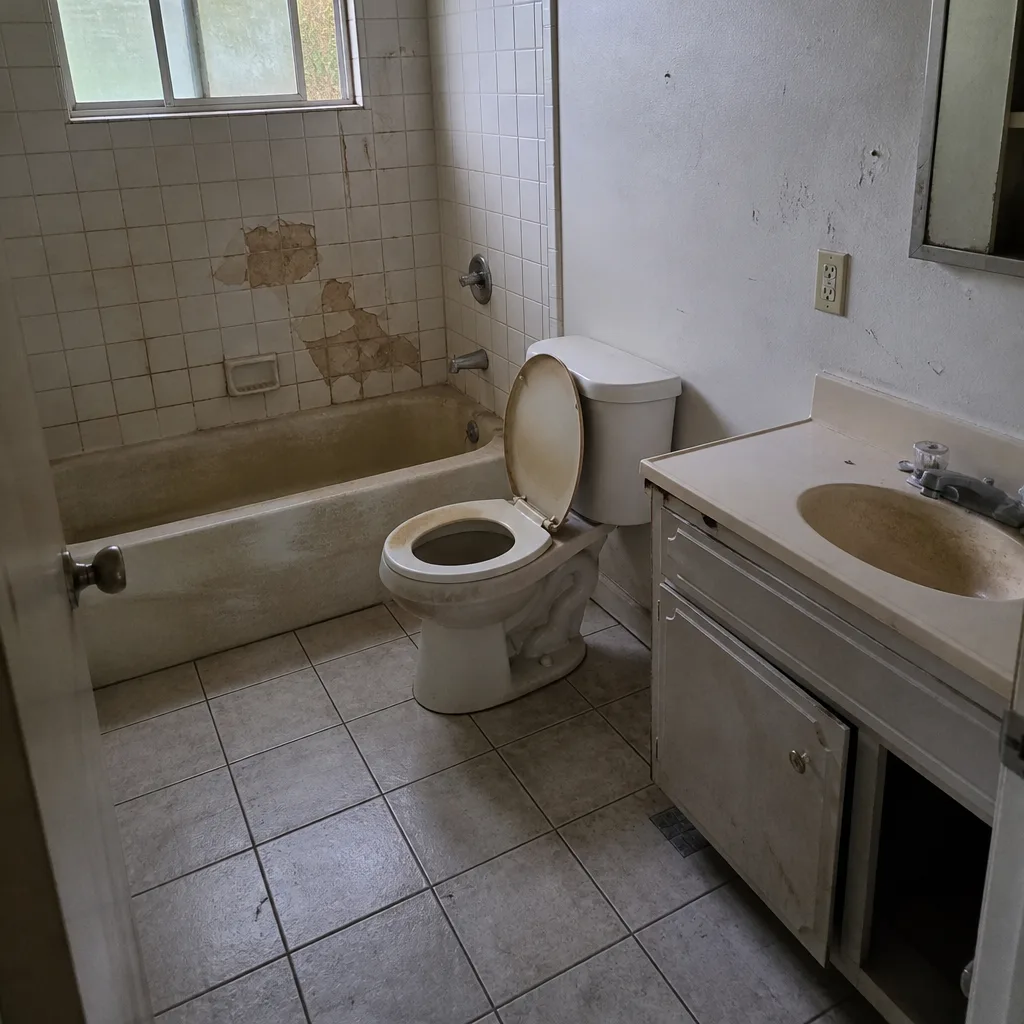 Before
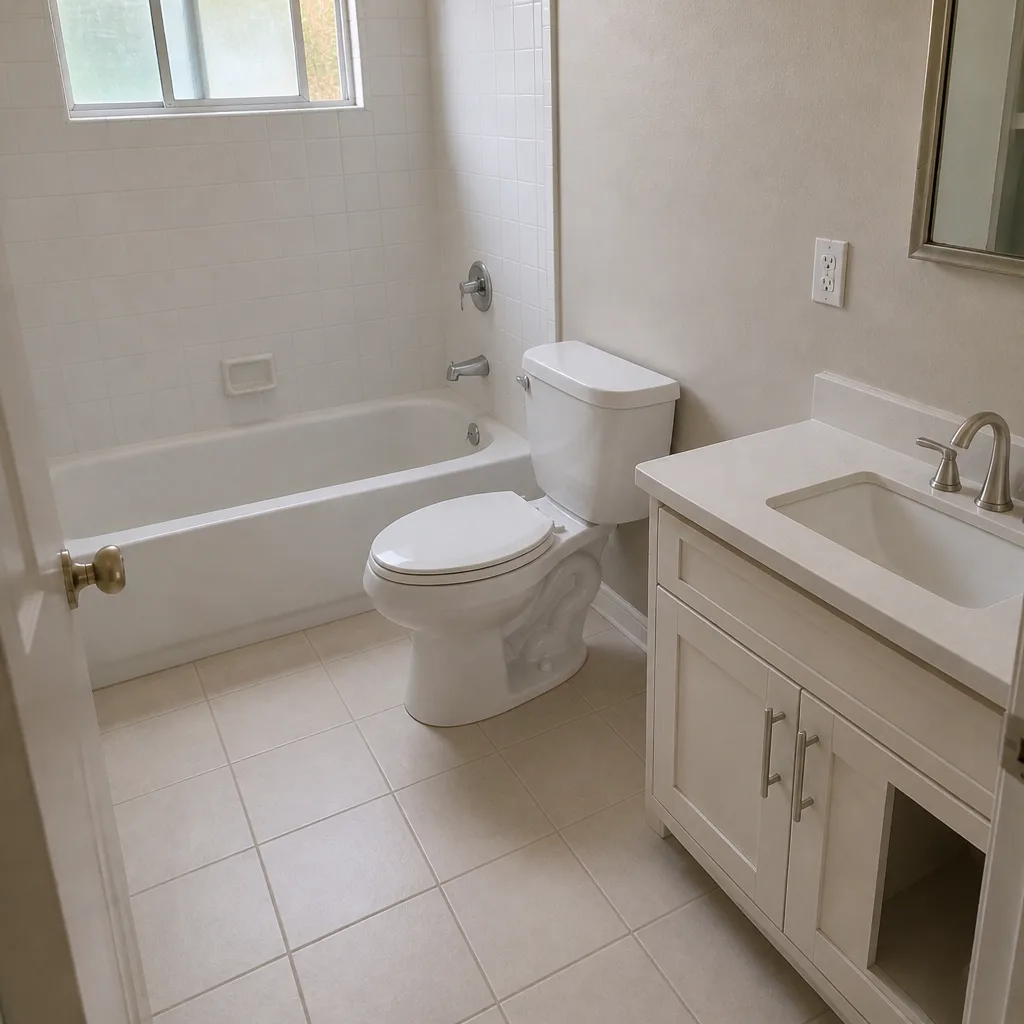 After