Last updated November 18, 2026



Free written scope consultation - allowances, timeline, and change-order rules on paper before a single trade is scheduled
Choosing the Right Construction Brand: A Buyer’s Guide for Vallejo
When a contractor hands you a roofing bid that says “30-year architectural shingle,” that phrase covers a lot of ground. It can mean a builder-grade product that warranty departments routinely deny claims on, or it can mean a CertainTeed or Owens Corning line backed by a transferable warranty that survives a home sale. The brand is not a vanity detail. It’s a warranty, a performance spec, and a resale document all at once. Most homeowners never get the vocabulary to ask which one they’re buying, so they sign the bid and find out years later. This guide gives you that vocabulary before a project starts, written from Vallejo, for Vallejo.
Quick Answer
Choosing the right construction brand in Vallejo means matching a specific named product to your project’s investment horizon, then confirming that name is written into the contract without “or equivalent” loopholes and that the warranty transfers if you sell. The same material category spans entry-grade, contractor-grade, and name-brand professional lines that perform very differently over time, and the brand tier you choose should track how long you plan to own the home.
Styles & brands we work with
- Kitchen remodeling
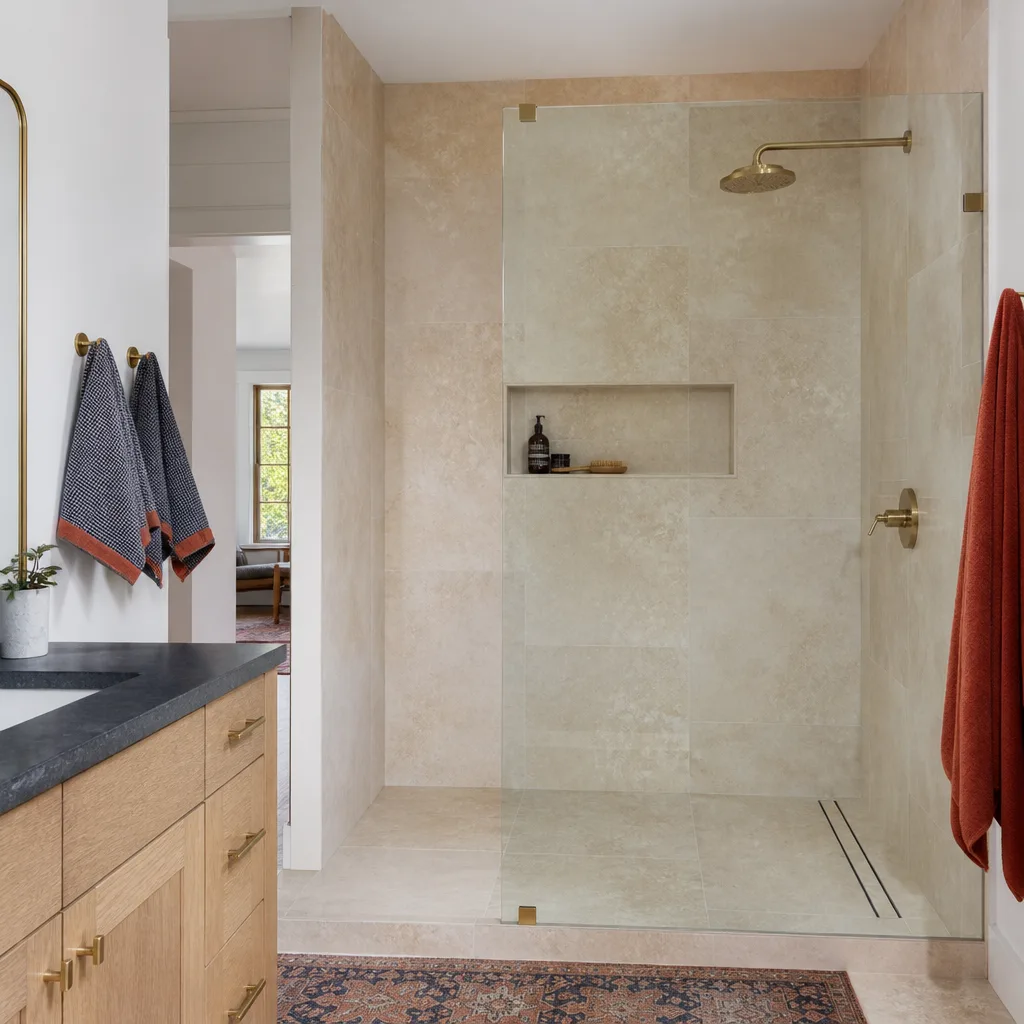
- Bathroom remodeling
- Home additions & ADU
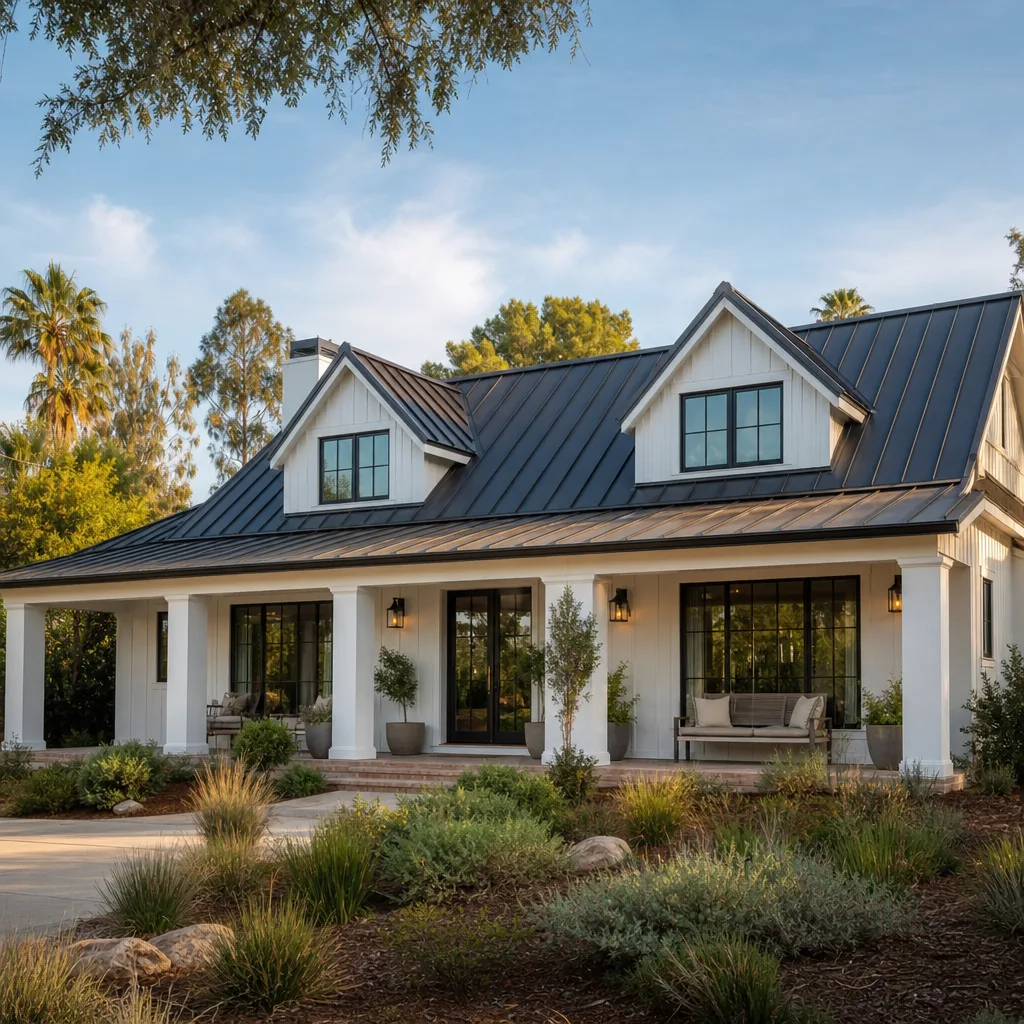
- Roofing
- Windows & doors
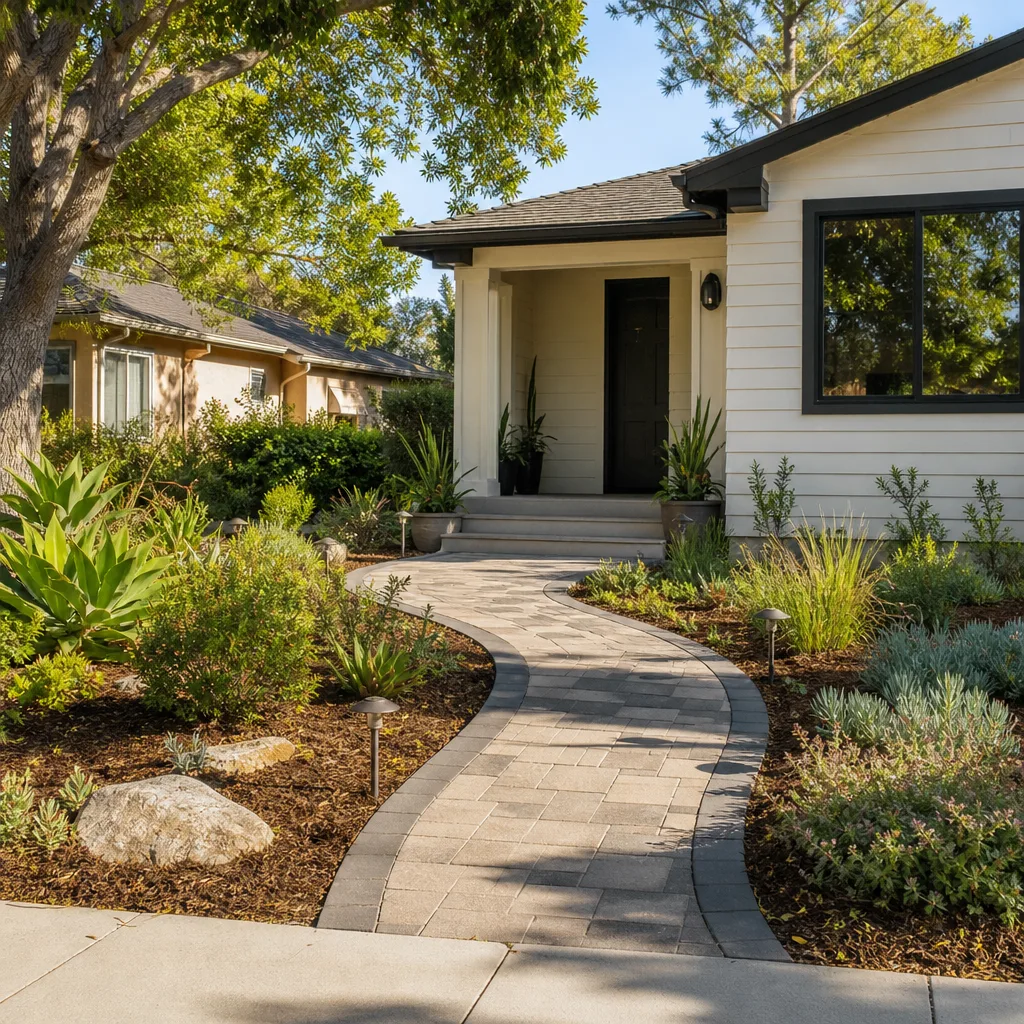
- Driveway & pavers
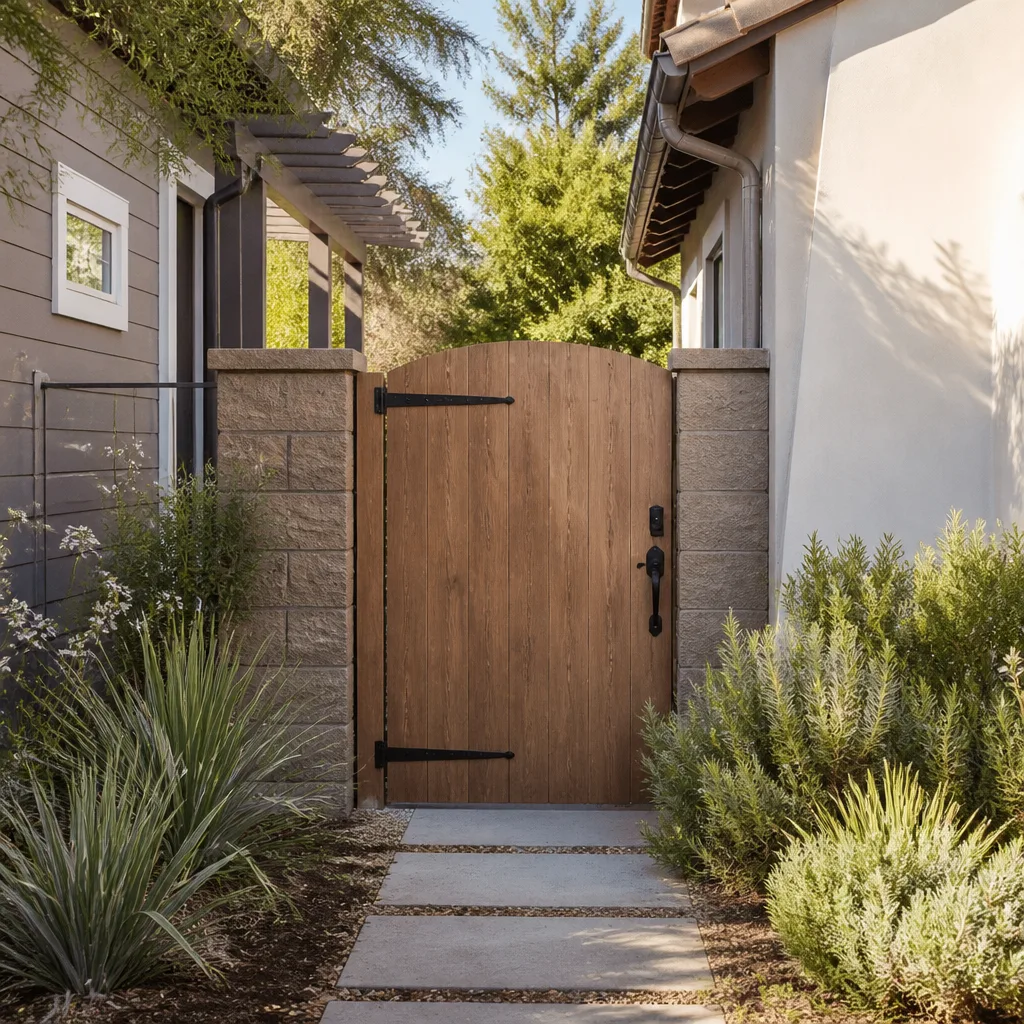
- Fence
Table of Contents
- Why Brand Is a Spec, Not a Sales Pitch
- The Three Brand Tiers in Plain Terms
- Reading the Roof: Shingle Tiers Closely
- Driveway Pavers and the Commodity Concrete Trap
- How to Read a Material Specification Line by Line
- Which Warranties Actually Survive a Sale
- Contractor Supply Channels and What They Signal
- Matching Grade to Investment Horizon
Why Brand Is a Spec, Not a Sales Pitch
A material brand name in a construction proposal is doing four jobs at once, and none of them is decoration. It is a performance specification (what the product is tested to do), a warranty anchor (who stands behind it and for how long), a documentation trail (what a future buyer or inspector can verify), and a negotiating lever (what the contractor actually committed to). When a proposal says “premium vinyl fencing” instead of naming a manufacturer, all four of those jobs go unassigned.
This matters more in Vallejo than in a lot of places because of what the local housing stock asks of materials. A large share of Vallejo homes sit on lots with mature trees and long driveways, and the dry summer months followed by a wet winter put real stress on exterior surfaces. Sun exposure fades cheap vinyl faster than a name brand. Winter rain finds every weak seam in a low-grade paver install. The mild winters here help, but they don’t rescue a builder-grade product from the summer sun. We specify brands because we’ve watched how the same category of product holds up over 15 years of technician experience, and the differences show up on the exterior surfaces first.
Here is the practical translation for a Vallejo homeowner: a brand name in a bid tells you the contractor has a supplier relationship deep enough to name a specific line, and it tells you there’s a paper trail if something fails. That’s the whole point. One contractor, every project, means the same spec discipline should carry from your roofline down to your driveway.
The Three Brand Tiers in Plain Terms
Nearly every material category breaks into three rough tiers, and understanding them is the fastest way to read any contractor’s proposal. The tiers are not marketing fiction. They correspond to real differences in raw material, manufacturing tolerances, and warranty terms.
- Entry-grade / builder-grade: The cheapest product that meets minimum code. Often sold only through big-box retail or bulk channels. Warranties tend to be short, prorated, and limited to the original owner. This is what “or equivalent” language quietly allows a contractor to substitute.
- Contractor-grade: A middle tier sold through professional supply channels, better than builder-grade but often a house line or a regional product with less brand recognition. Reasonable for short-horizon work where resale documentation isn’t the priority.
- Name-brand professional lines: Products from manufacturers with nationally recognized warranty programs and documented performance specs. Sold through contractor supply relationships, not big-box shelves. This is where GAF, CertainTeed, Owens Corning, Belgard, and Unilock live, and where a transferable warranty is realistic.
The trap is that a phrase like “architectural shingle” or “premium paver” can describe any of the three tiers. Without a manufacturer name, the tier is invisible. When you receive a bid for a Vallejo project, the first question in every material line is simple: which of these three tiers am I looking at, and who makes it?
Reading the Roof: Shingle Tiers Closely
Roofing is where the tier gap is widest and where homeowners most often discover the difference after the fact. “30-year architectural shingle” is a category name, not a product. The same label covers a builder-grade shingle that warranty departments scrutinize heavily on claims and a name-brand line with a documented, transferable warranty. In Vallejo’s mild climate, a roof’s enemies are the summer sun and the wet season, not snow or ice, and both stress a low-grade shingle’s granules and sealant faster than a professional line.
What separates the tiers in real terms on a Vallejo roof:
- Granule loss and sun exposure: Name-brand lines are engineered for tighter granule adhesion, which matters through Vallejo’s long dry summers.
- Sealant and wind performance: Professional lines carry tested wind-uplift ratings; builder-grade shingles may meet code but with tighter margins.
- Warranty length and transferability: The single biggest tier gap. A builder-grade shingle’s warranty often dies with the original owner; a strong name-brand warranty may transfer to a buyer.
- Documentation: A named product with a printed spec sheet is something a home inspector and a buyer can verify. A generic line is not.
If you’re weighing whether to invest up a tier, our Construction Vallejo team can walk you through which professional lines fit your roofline and budget. Roofing work involves steep heights and real safety stakes, so the specification conversation belongs with a licensed contractor, not a self-guided project. We specify roofing from GAF, CertainTeed, and Owens Corning specifically because we can stand behind the warranty documentation on each.
Driveway Pavers and the Commodity Concrete Trap
Driveways are the exterior surface a Vallejo homeowner sees and drives on every day, and they’re also where the brand question gets the least attention. A bid for “concrete pavers” can mean commodity product poured and pressed to minimum spec, or it can mean specified pavers from Belgard, Unilock, Techo-Bloc, Tremron, or Cambridge Pavers. The two look similar on day one. The difference shows up in color retention, joint integrity, and edge strength over several wet seasons.
Three things separate a named paver line from commodity concrete:
- Color and finish process: Name-brand pavers use through-color pigments and controlled curing, so they fade less in Vallejo’s sun.
- Dimensional tolerance: Tighter tolerances mean better joint lines and a surface less prone to settling and rocking.
- Warranty and documentation: A named manufacturer gives you a spec sheet and a warranty; commodity product often gives you neither.
When we specify driveway & pavers in Vallejo, we deliberately pull from the top-tier paver manufacturers rather than commodity concrete because the driveway is an exterior surface that has to survive both summer sun and winter rain. It’s also the first thing a buyer sees. If you’re planning a paver project, ask every bidder which specific product line they intend to install. If the answer is vague, the spec is vague.
How to Read a Material Specification Line by Line
The single most useful skill this guide can give you is reading a material specification in a contractor proposal with the same attention you’d give a line item price. “Or equivalent” is the phrase that costs homeowners the most, and it’s almost always buried in a sentence that reads like boilerplate. Here’s a step-by-step way to read a proposal:
- Find every material line item. Roofing, siding, fencing, pavers, windows, and doors should each have their own line.
- Look for a manufacturer name, not just a category. “Architectural shingle” is a category; “CertainTeed Landmark” is a product line. “Concrete paver” is a category; “Belgard” or “Unilock” is a manufacturer.
- Circle every “or equivalent.” That phrase gives the contractor latitude to substitute a lower tier if the named product is unavailable or pricier. A legitimate substitution needs your written approval, not an assumption.
- Check for a product spec sheet or model number. A real spec includes a line name or model number, not just the brand.
- Confirm the warranty is written into the contract. The tier matters less than whether the warranty terms are documented and transferable.
- Ask what happens if the product is discontinued mid-project. A contractor with deep supplier relationships should be able to substitute a comparable line and put it in writing.
When we write a Vallejo proposal, we name the brand and the line on every material line item, because “or equivalent” is the loophole a homeowner can’t see until the product is already on the driveway. A written line-item estimate should read like a spec sheet, not a summary.
Which Warranties Actually Survive a Sale
A material warranty that can’t transfer to a buyer is worth less than its headline number. This is the detail most homeowners discover too late, and it’s the reason brand tier matters more than people think at resale. A builder-grade product’s warranty is almost always limited to the original owner, which means the day you sell in Vallejo, the protection evaporates. A name-brand professional line often includes a transfer clause, and sometimes a separate transferability program, that carries the warranty to the next owner.
What to do about it:
- Ask for warranty terms in writing before signing. The document should state whether it transfers, for how long, and under what conditions.
- Keep the manufacturer documentation. Spec sheets, product registration, and warranty certificates should be handed to the next buyer with the home.
- Read the “owner” definition. A “limited warranty to the original purchaser” is a warning sign if you plan to sell within a decade.
- Confirm the transfer process. Some name-brand warranties require registration or a transfer form; a reputable contractor should explain that process.
This is a resale document as much as a construction document. When a future buyer’s inspector sees a named, warrantied product on the roof or the driveway, it reads as a documented investment. That’s the difference between a specification that adds value and one that’s just a receipt.
Contractor Supply Channels and What They Signal
Some professional-grade products are simply not on the shelves at big-box retail. They’re sold only through contractor supply relationships, which is why a homeowner can’t easily price-match a name-brand line against a retail approximation. This matters for two reasons. First, the presence of a professional-tier product in a proposal signals the contractor has real supplier relationships; anyone can pull commodity product from a lumber yard. Second, the absence of a named product often signals the opposite.
What a strong supply relationship gives you on a Vallejo project:
- Access to lines that aren’t retail: Certainteed, GAF, Owens Corning, Belgard, and Unilock professional lines are specified by contractors with supply access, not bought off a shelf.
- Availability when a product is short: A contractor with a supply relationship can substitute a comparable line and document it, instead of quietly downgrading.
- Warranty registration support: Name-brand warranties often require the installer to be a recognized contractor for the manufacturer’s program; that’s a real quality signal.
When you interview a contractor in Vallejo, ask which manufacturers they’re recognized by. Our answer would be that we work with 50+ recognized industry brands across roofing, cabinetry, countertops, fixtures, windows, fencing, and pavers, because we’ve built those relationships deliberately for exactly this reason.
Matching Grade to Investment Horizon
The single best filter for brand tier is how long you plan to own the home. A brand tier that makes sense for a home you’ll sell in three years is a different decision from one for a home you’re finishing for the next twenty. Most homeowners get this backwards: they spend up for a name brand on the kitchen they’re leaving behind and go cheap on the roof they’ll live under for a decade.
A simple decision framework:
- Planning to sell in about three years: A quality contractor-grade product with documented installation and a short but real warranty is often the sensible middle. Avoid builder-grade for anything an inspector will flag, and avoid over-spending on a showpiece.
- Planning to sell in five to ten years: Name-brand professional lines with transferable warranties start paying off, because the warranty becomes a resale document and the tier is verifiable in a home inspection.
- Planning to stay for the long haul: Name-brand professional lines across the board, with brand-matched fixtures and finishes. This is where Silestone or Caesarstone countertops, Kohler fixtures, and name-brand exterior surfaces are worth it, not for resale documentation but because they hold up to two decades of Vallejo sun and rain.
We can help you think this through category by category, whether the project is a single roof or a full-property scope that includes home additions & ADU work. The right tier is the one that matches your lived timeline, not the one with the flashiest brochure.
Common Mistakes to Avoid
- Accepting “or equivalent” without written approval. That phrase is the loophole that lets a name brand you chose become a commodity product after you sign. Require written sign-off on any substitution.
- Comparing bids by headline price only. Two Vallejo roofing bids can differ in price because they’re specifying different tiers, not different labor. Line-item the material brands and tiers before comparing totals.
- Assuming a category name is a product. “30-year shingle,” “premium paver,” and “quality vinyl fence” all hide their tier. Ask for the manufacturer and the line name.
- Ignoring warranty transferability at resale. A warranty that dies with you has little resale value. Read the transfer terms before the project starts, not after.
- Spending up on interior finishes while going cheap on the exterior. In Vallejo, the sun and winter rain punish builder-grade exterior materials first. Match the tier to what’s exposed.
- Choosing a contractor who can’t name their suppliers. A vague “we use quality materials” answer is a signal that the supply relationship and the spec discipline aren’t there.
- Letting one trade’s spec drive the whole project. A cohesive exterior and interior scope means the same brand discipline across roofing, pavers, fencing, and windows. A single-source contractor should be able to keep that consistent.
See the difference
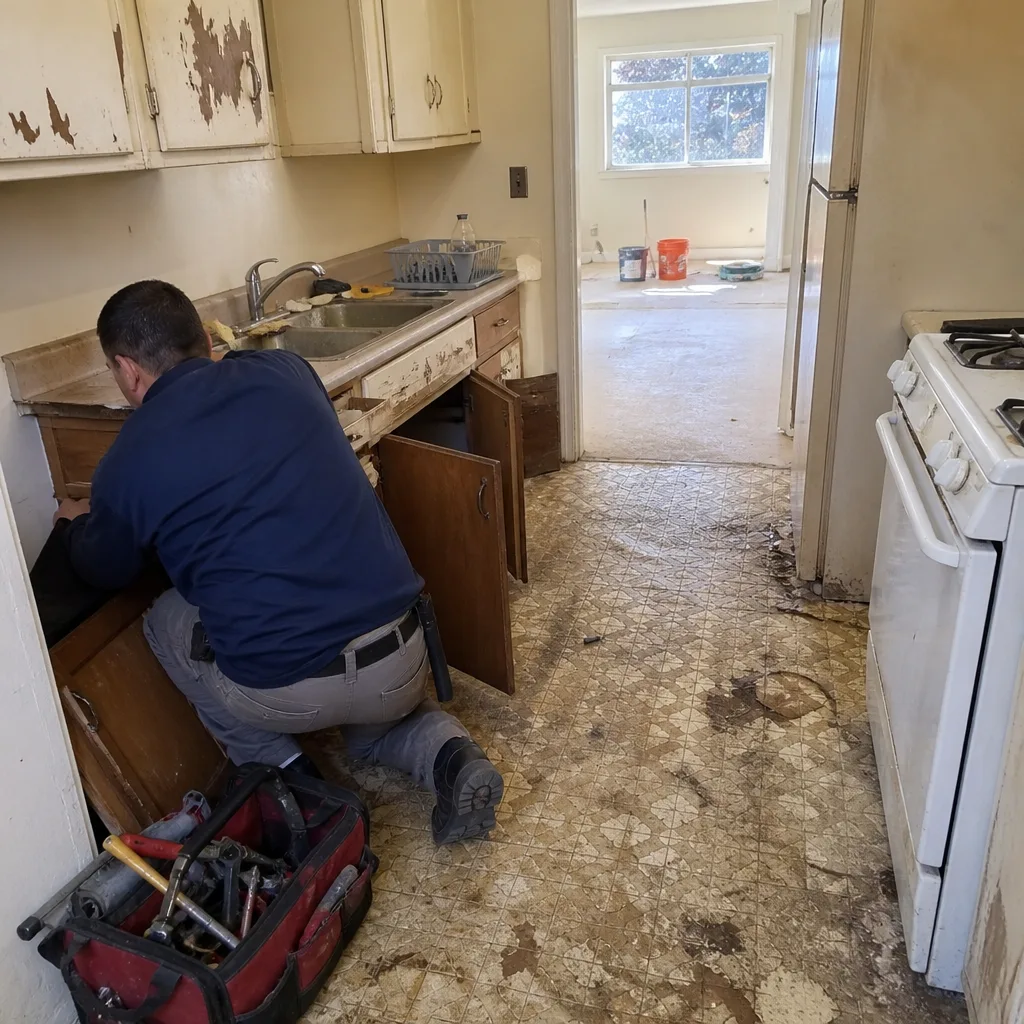 Before
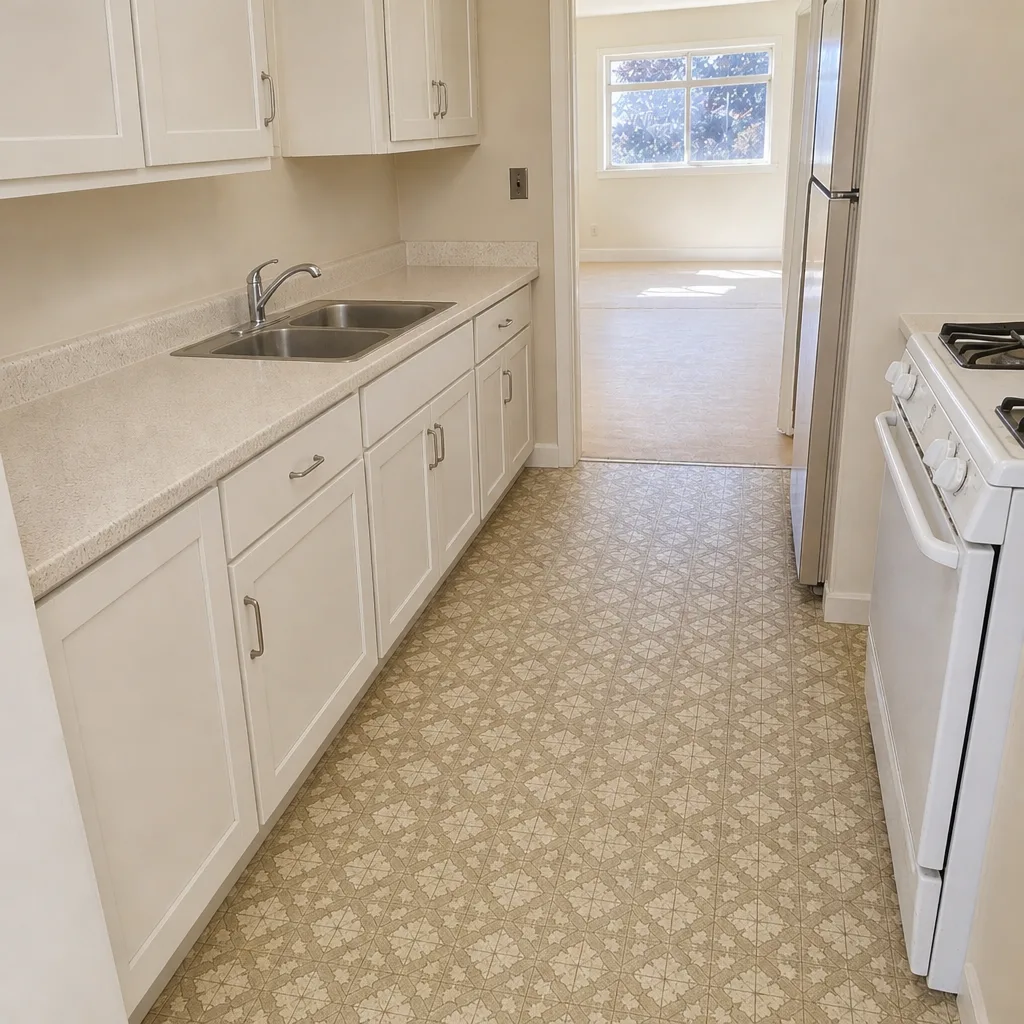 After
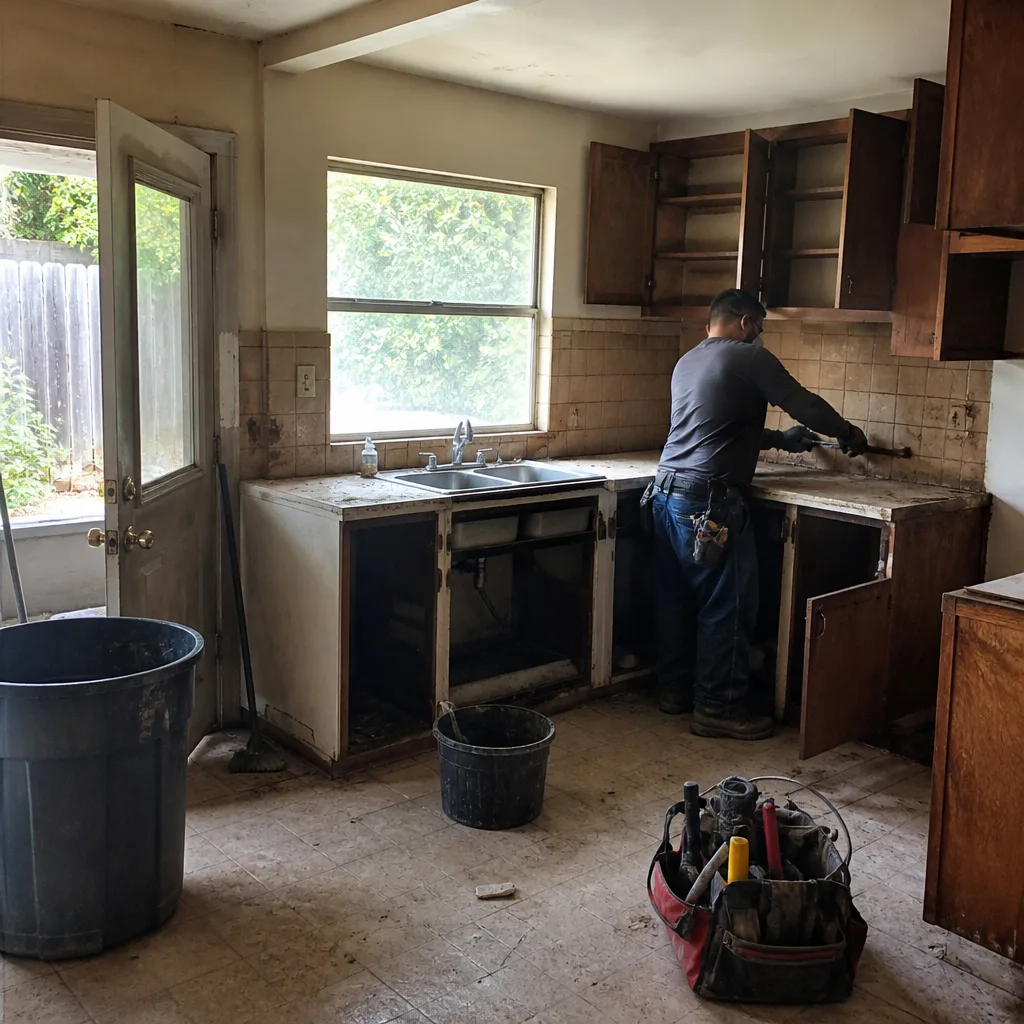 Before
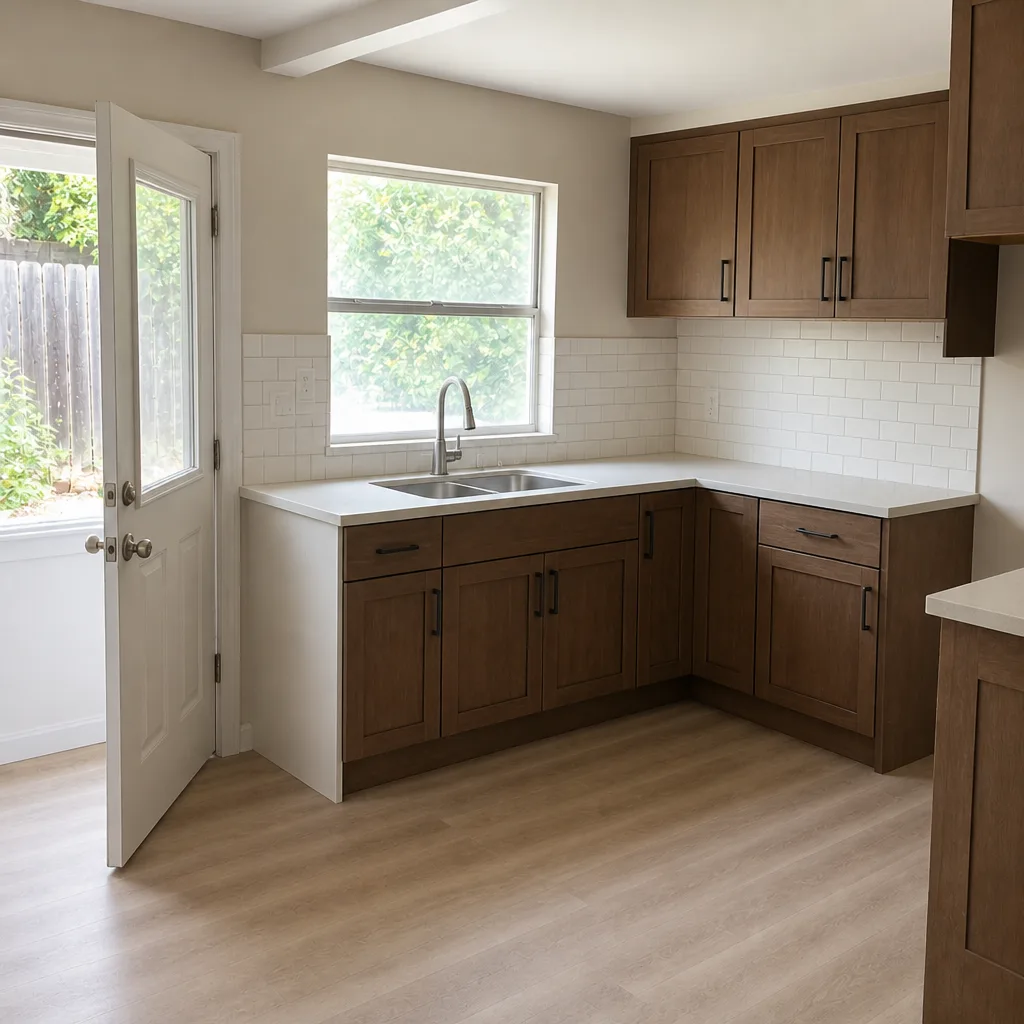 After
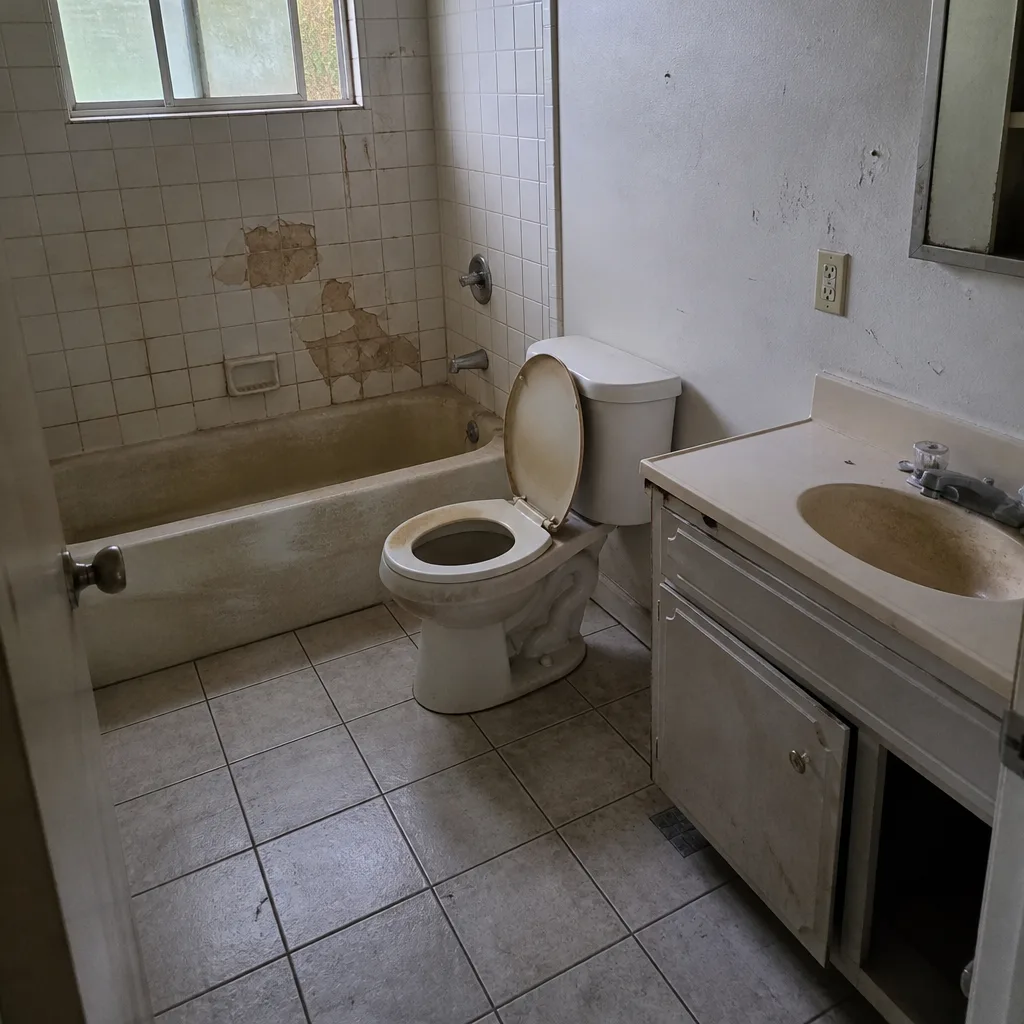 Before
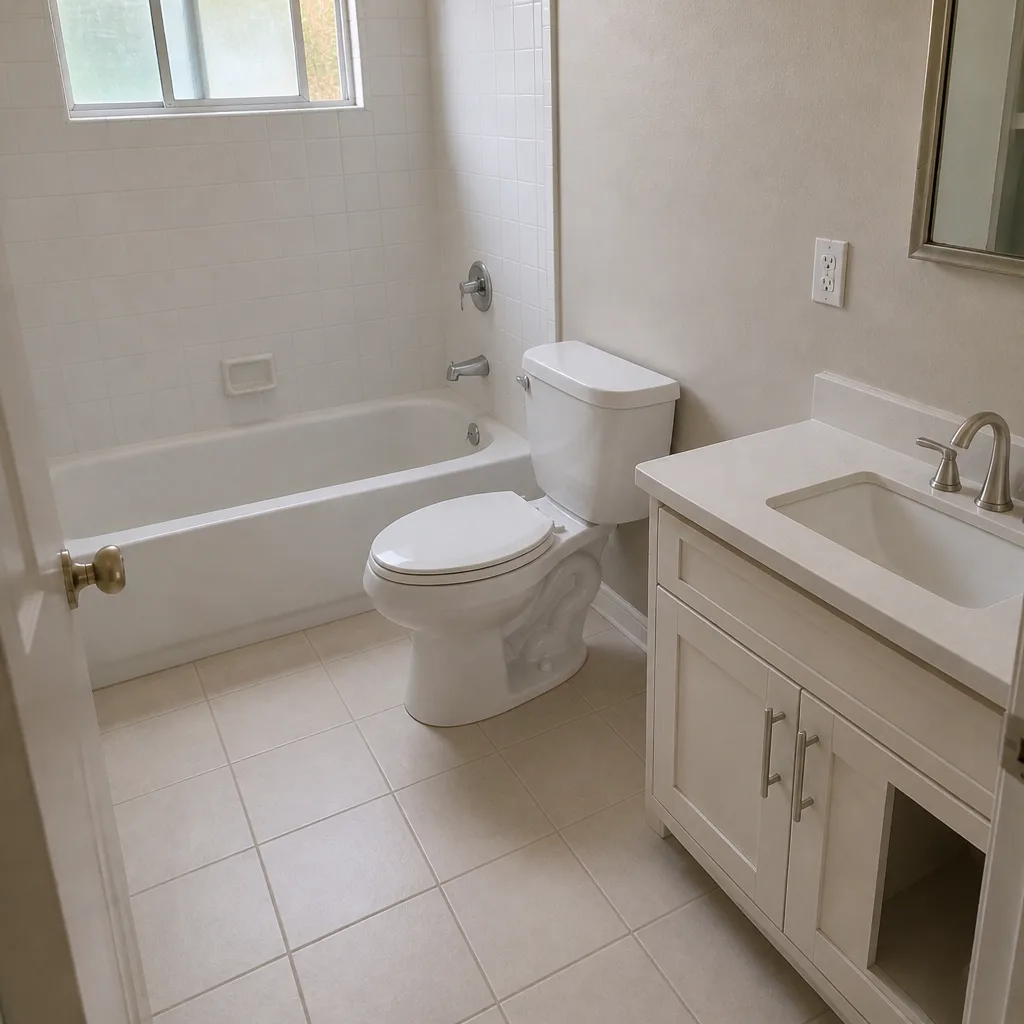 After
When to Call a Professional
If you’re weighing two brand tiers on a roof, planning a paver driveway, or comparing bids that use “or equivalent” language, it’s the right moment to bring a professional into the conversation. Material specifications involve safety as well as cost: steep-roof work and exterior construction carry real risk, and they’re jobs for a trained, licensed contractor, not a weekend project. The same applies to a fence line running along a property boundary, a window replacement on a second story, or any material decision where the warranty documentation matters. Construction Vallejo offers free estimates in Vallejo with written, line-item specifications that name the brand and the line. Call (844) 684-1772. We answer 24/7. Fast dispatch from 7am to 7pm, Sunday through Friday.
Frequently Asked Questions
The best brands are the ones with documented performance specs and transferable warranties in your specific category: GAF, CertainTeed, and Owens Corning for roofing; Belgard, Unilock, Techo-Bloc, Tremron, and Cambridge Pavers for pavers; Master Halco, Ameristar, Barrette, Jerith, and Bufftech for fencing; and Silestone, Caesarstone, and Kohler for interior work. Compare by trading tier, not just the brand name. Call (844) 684-1772 for an exact quote on your Vallejo project, because estimates are free.
Yes, mostly through warranty transferability and documentation. A name-brand professional line with a transferable warranty is something a future buyer’s inspector can verify and a warranty department will stand behind. A builder-grade product’s warranty often dies with the original owner. Ask for warranty terms in writing before signing, and keep the manufacturer documentation to pass along at sale. Call (844) 684-1772 for guidance on your specific project, estimates are free.
“Or equivalent” gives the contractor latitude to substitute a different product, which can mean dropping to a lower tier. It’s the single most important phrase to circle in any bid. Require written approval on any substitution and a product line or model number on every material line item. Call (844) 684-1772 for a written, line-item Vallejo estimate that names the brand and line.
A quality contractor-grade product with documented installation and a short but real warranty is often the sensible middle for a short-horizon sale, while avoiding builder-grade on anything an inspector will flag. If you’ll sell in five to ten years, name-brand professional lines with transferable warranties pay off at resale. Call (844) 684-1772 to walk through your timeline, estimates are free.
Professional lines are sold through contractor supply channels rather than retail shelves, which is why you can’t price-match them directly against a retail approximation. That’s a quality signal: a contractor with a real supply relationship can name the product, document the warranty, and substitute a comparable line in writing. Call (844) 684-1772 to discuss your Vallejo project, estimates are free.
Yes, and a single-source contractor keeps the brand discipline consistent across the whole property. Construction Vallejo works across seven trade categories, from driveway & pavers to home additions & ADU work, without subcontracting the relationship away. That means one spec standard for roofing, pavers, fencing, and windows. Call (844) 684-1772. We answer 24/7. Fast dispatch from 7am to 7pm, Sunday through Friday.
The Bottom Line
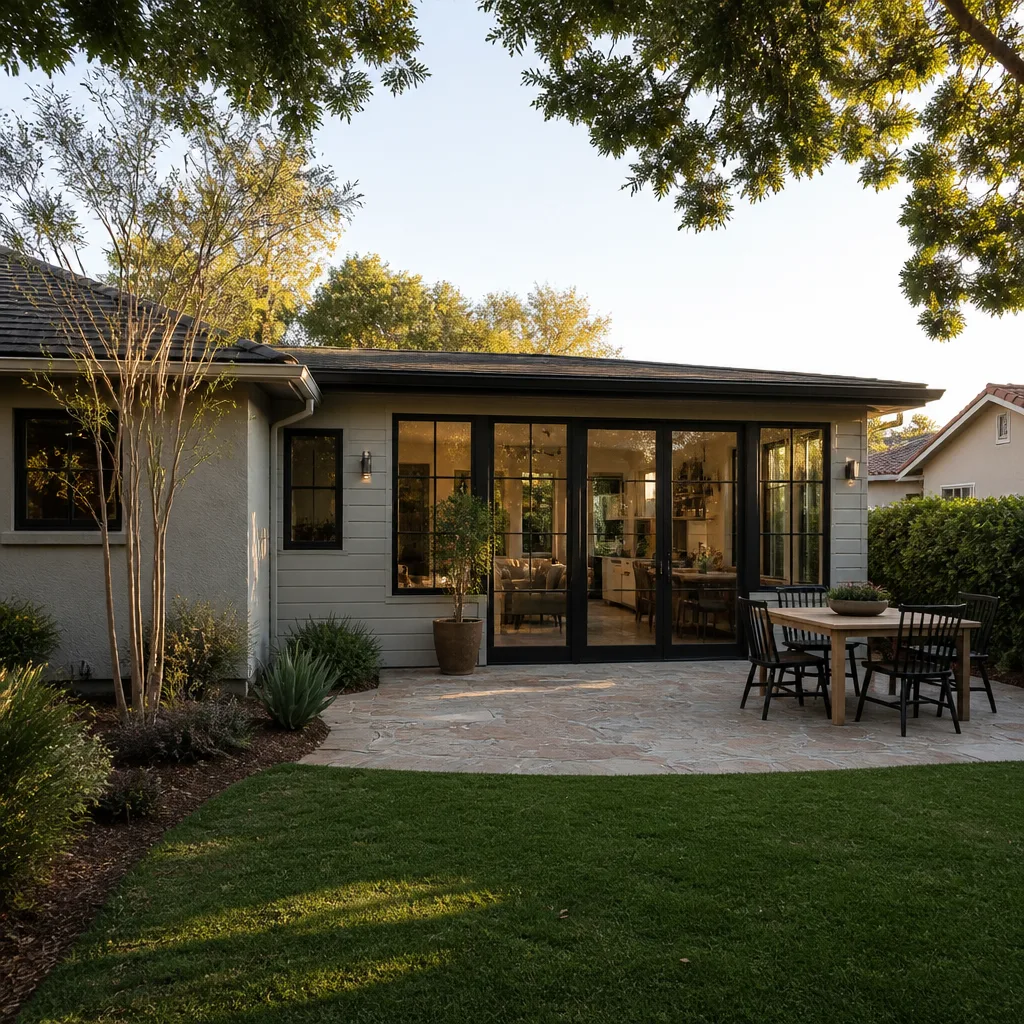
The brand on a construction bid is a warranty, a performance spec, and a resale document, not a vanity detail. Read every material line for a manufacturer and a product line, circle every “or equivalent,” and confirm the warranty transfers if you plan to sell. Match the tier to your investment horizon: contractor-grade for a three-year sale, name-brand professional lines for a five-to-ten-year hold, and brand-matched fixtures and finishes for the long haul. In Vallejo, where the summer sun and wet winters punish weak exterior materials, the tier you choose is the tier you live with. We specify names because a written estimate should read like a spec sheet. Call (844) 684-1772 for a free, line-item estimate on your Vallejo project.
Written by the team at Construction Vallejo.